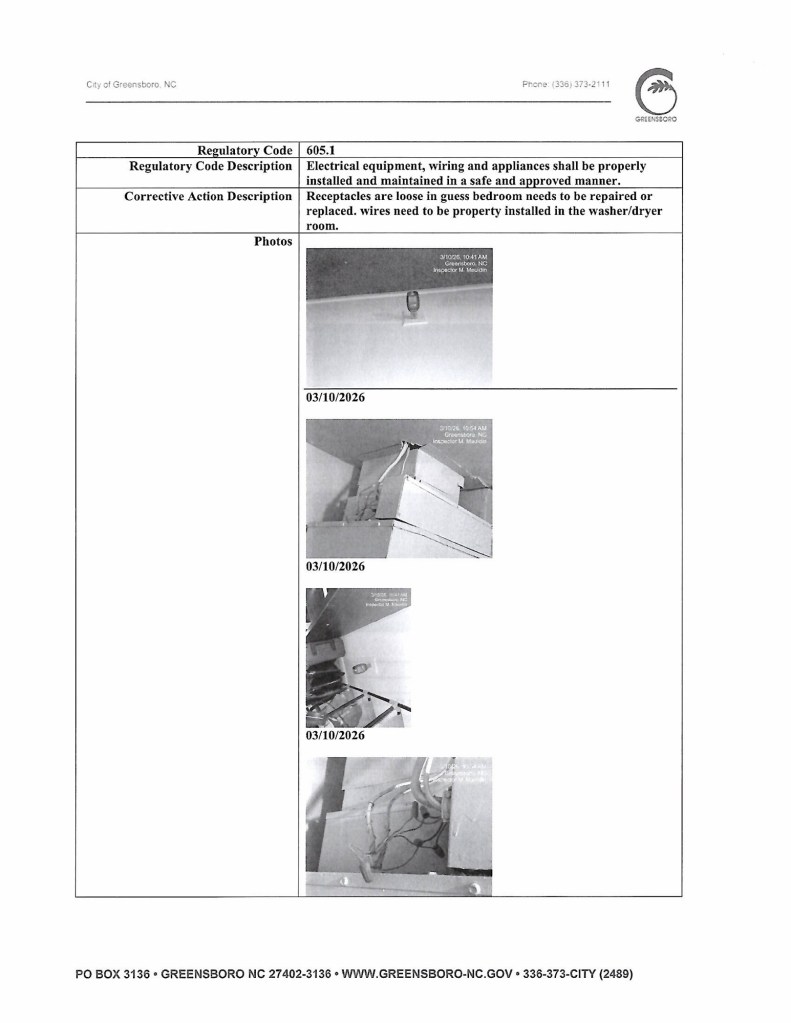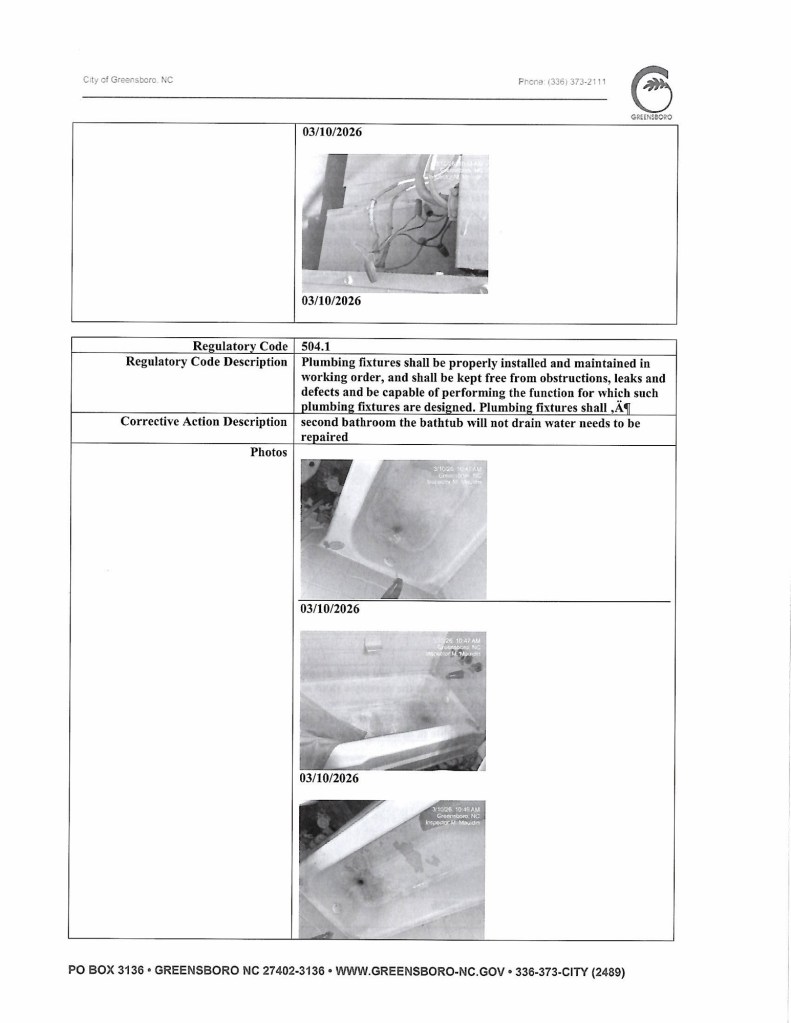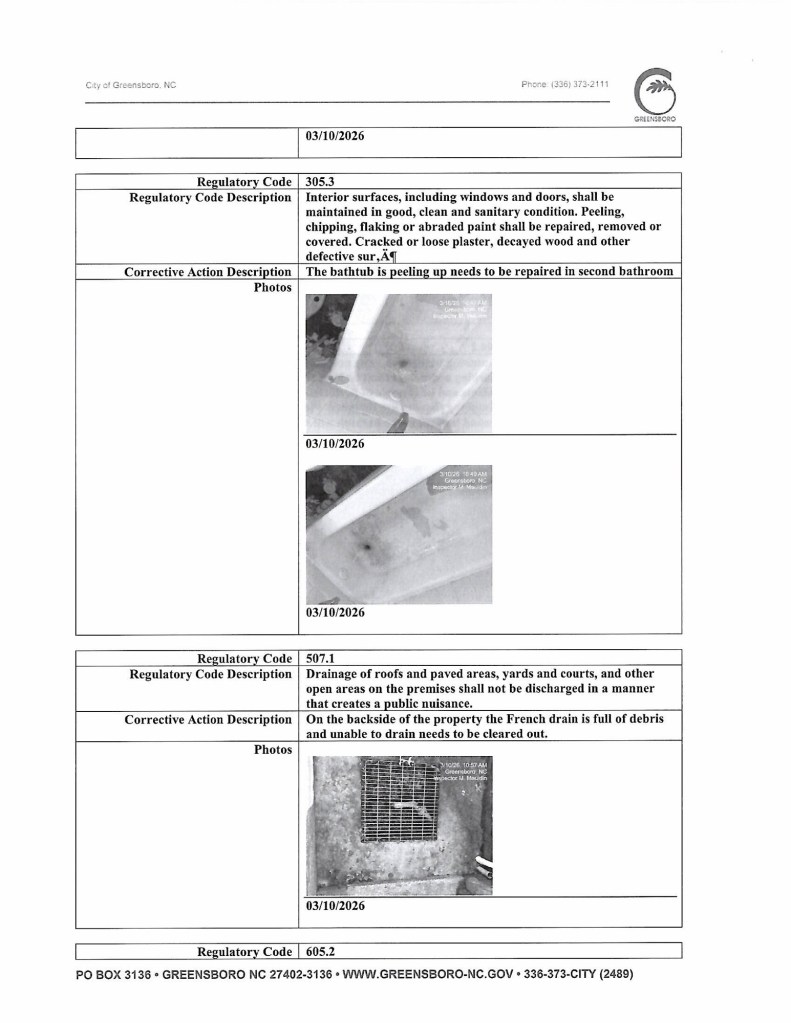
“THE SHELL GAME LANDLORD”
Inside the Corporate Maze Behind a Greensboro Apartment Complex
By The Greensboro Chronicle Investigative Desk
I. THE QUESTION NO ONE ASKED:
WHO REALLY OWNS YOUR RENT?
What if the name on your lease… isn’t the real landlord?
What if the company taking tenants to court… doesn’t actually control the rent it claims is owed?
And what if the entire structure is designed not to manage housing—but to funnel money to investors?
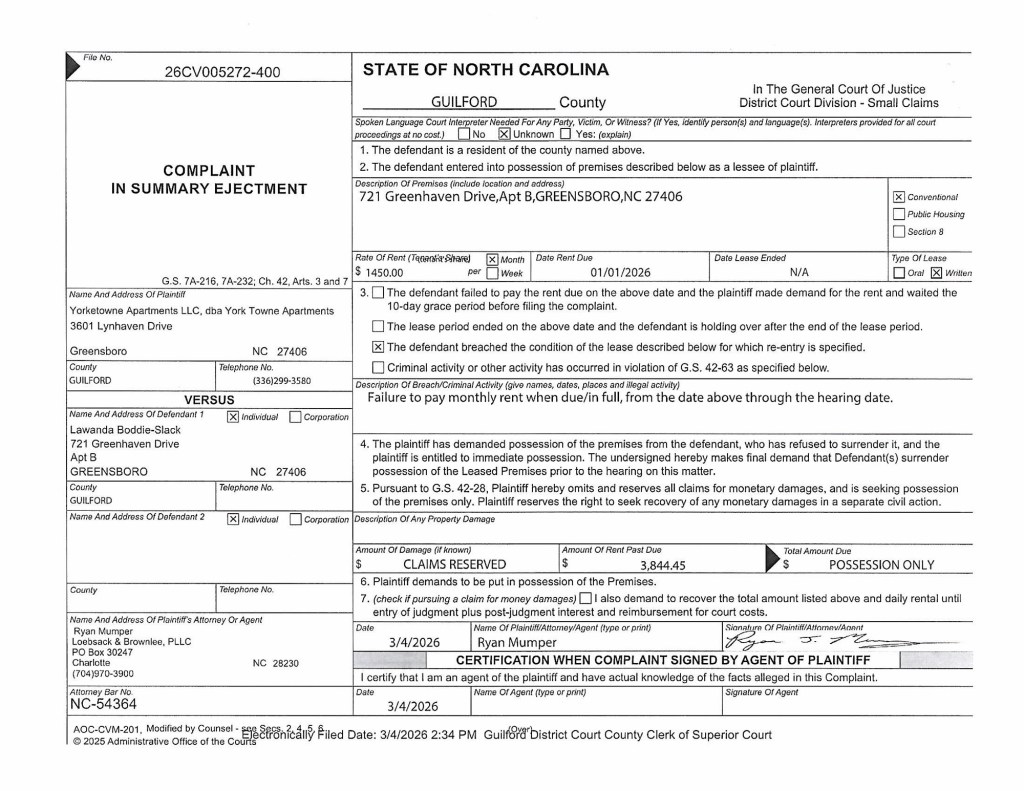
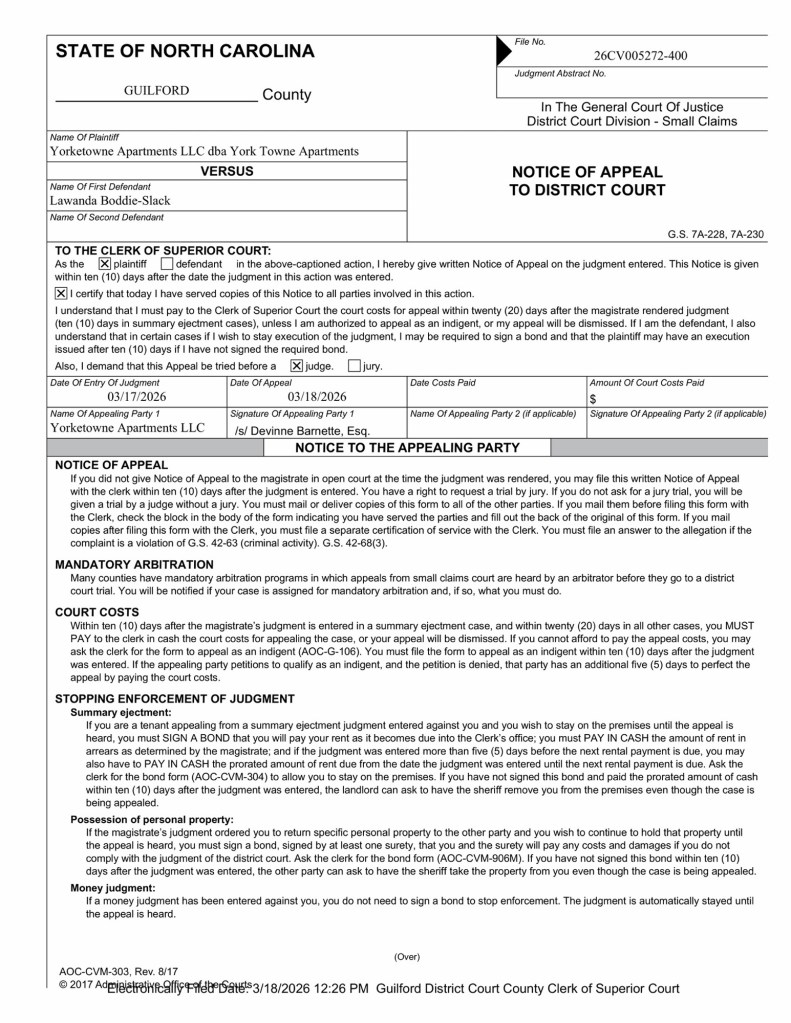
That is the explosive question raised in a newly filed legal memorandum in Guilford County.
II. THE PIPELINE: FOLLOW THE MONEY
Public records paint a startling picture.
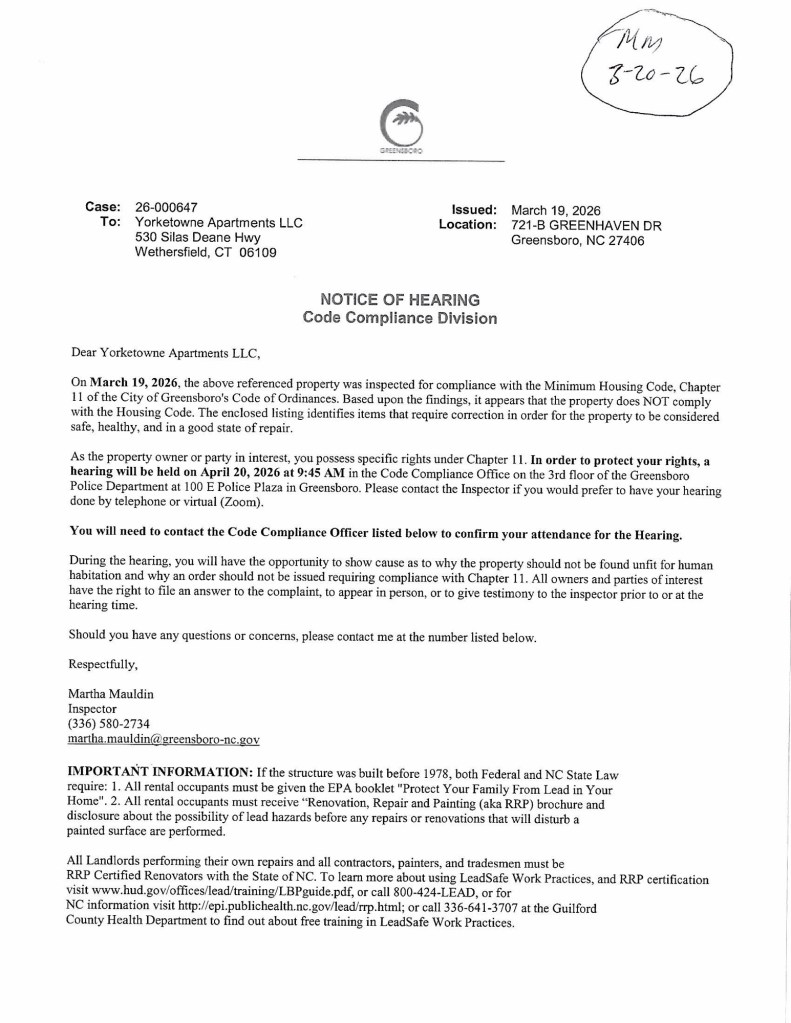
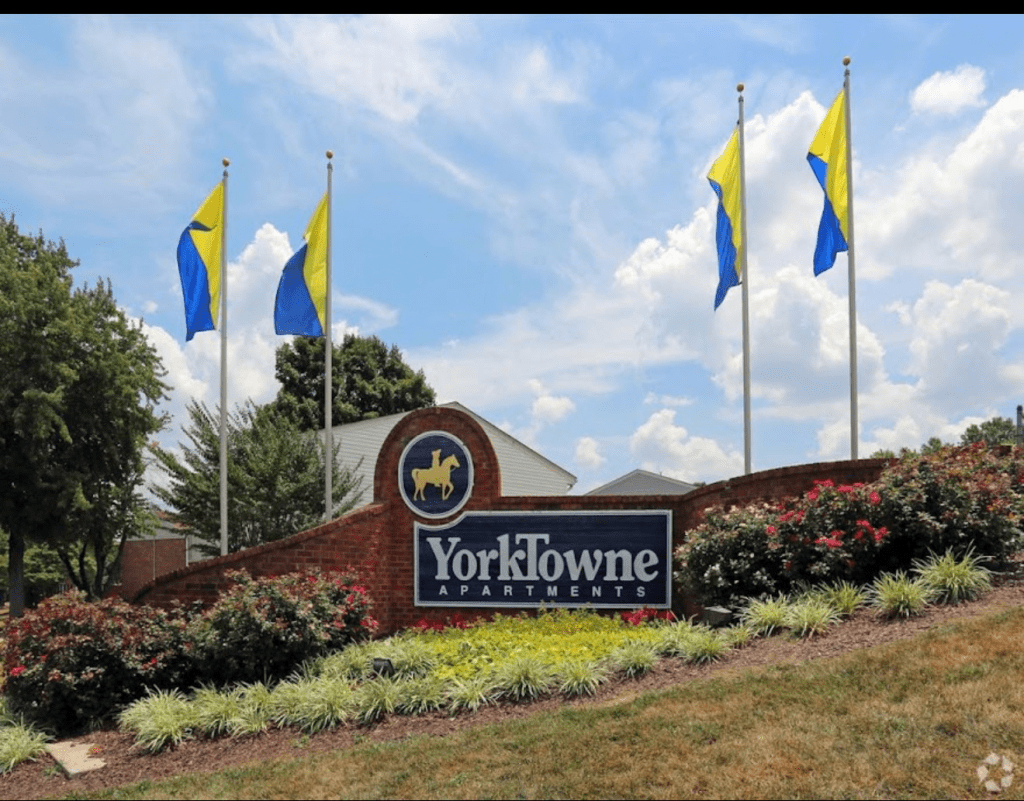
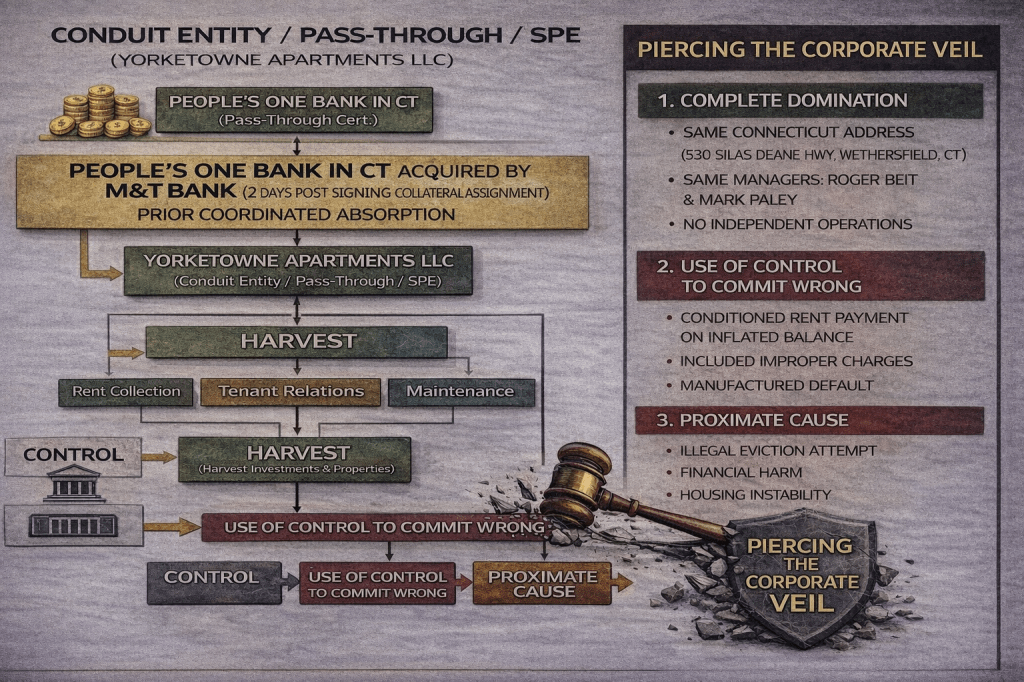
The entity named in court filings—YorkeTowne Apartments LLC—may not operate like a traditional landlord at all.
Instead, filings suggest it functions as what financial insiders call a “pass-through” entity—a pipeline.
Here’s how it allegedly works:
• Tenants pay rent
• Rent flows into the entity
• The entity passes that money upstream
• Investors—yes, investors—get paid
This structure is commonly used in commercial mortgage-backed securities (CMBS) deals.
Translation?
👉 The rent may not be staying with the “landlord.”
👉 It may be feeding a financial machine.
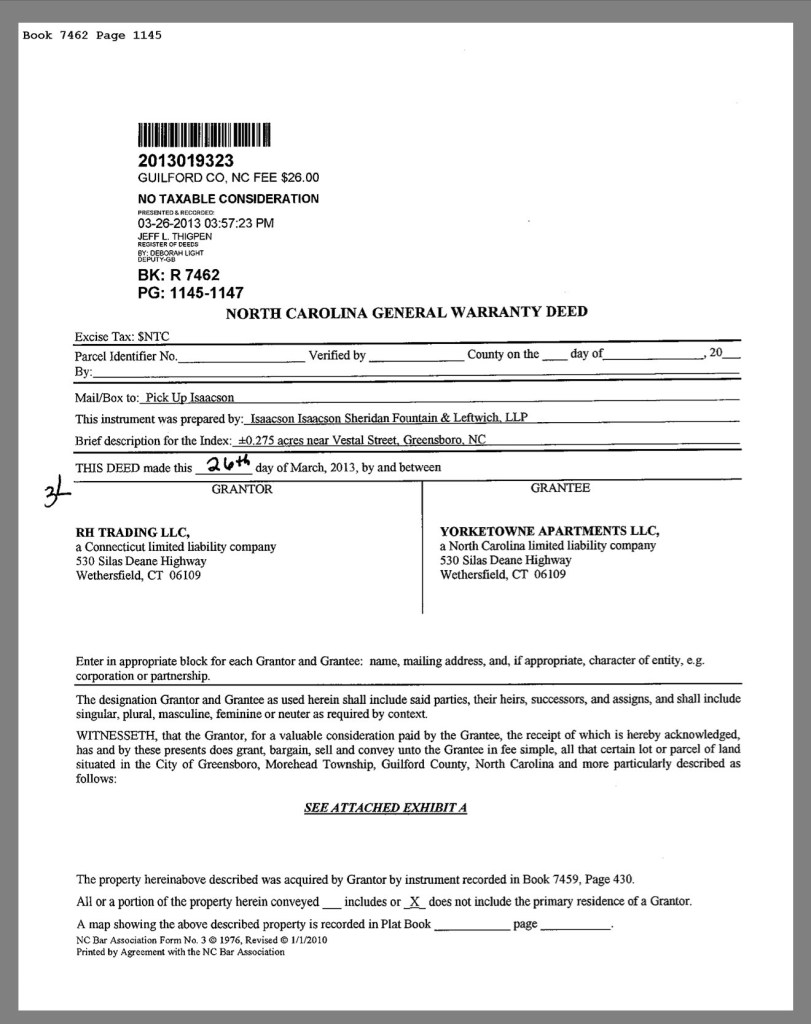
III. THE PAPER TRAIL: A DECADE OF DEALS
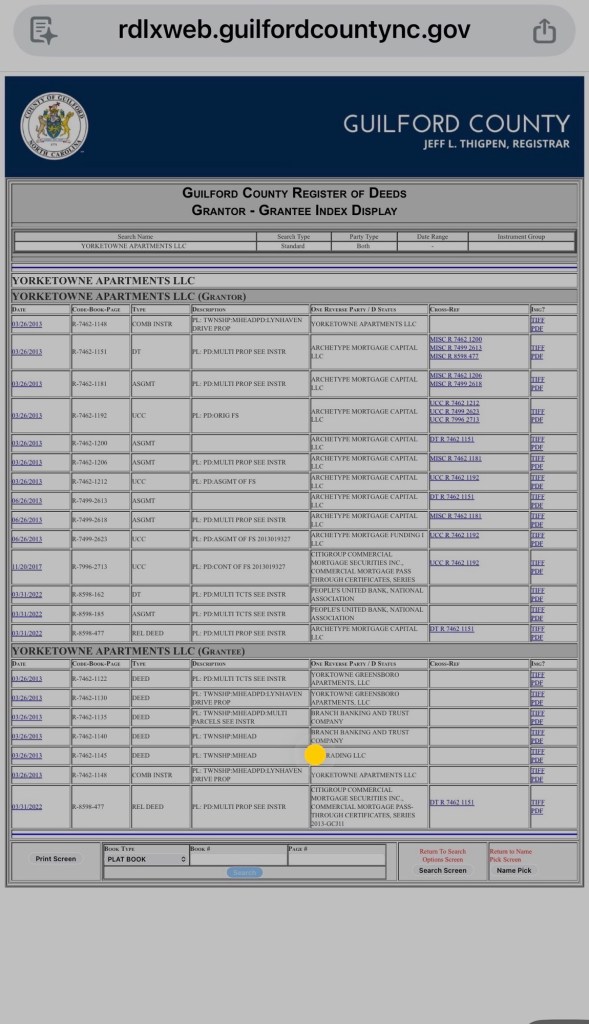
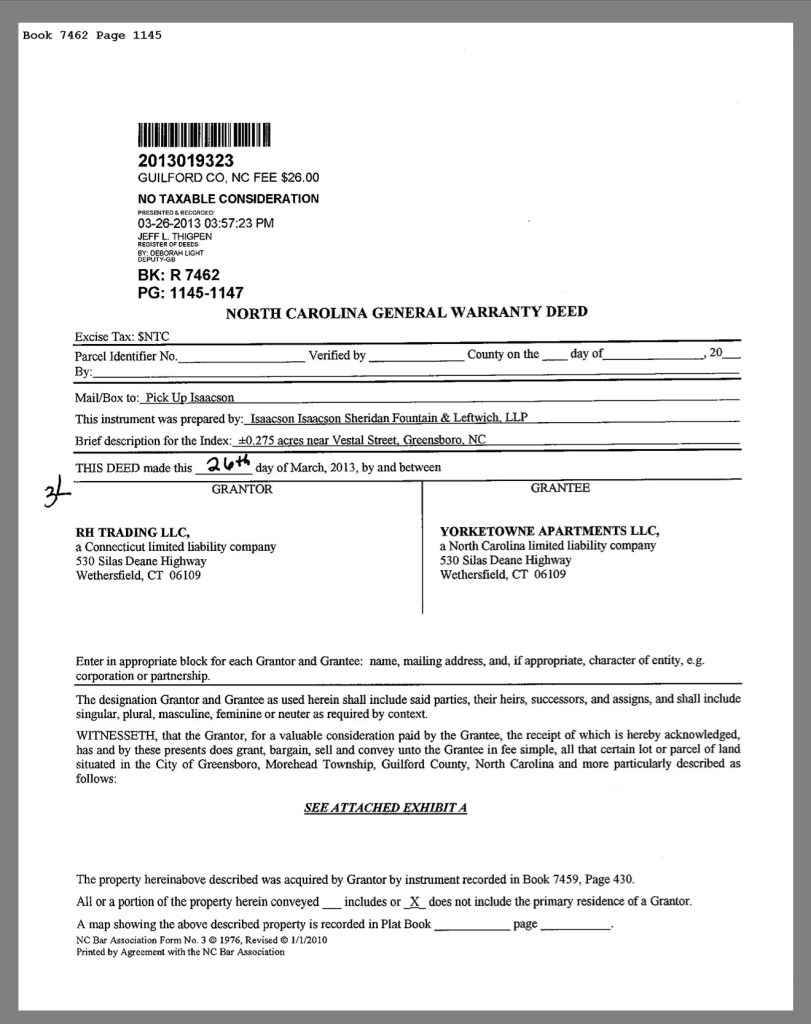
Records dating back to 2013 reveal:
• Multiple assignments
• Mortgage transfers
• UCC filings
• Financial restructuring
At the center of it all:
A securitized instrument described as a “pass-through certificate”—a term rarely seen in everyday landlord-tenant disputes.
Then, in a dramatic turn:
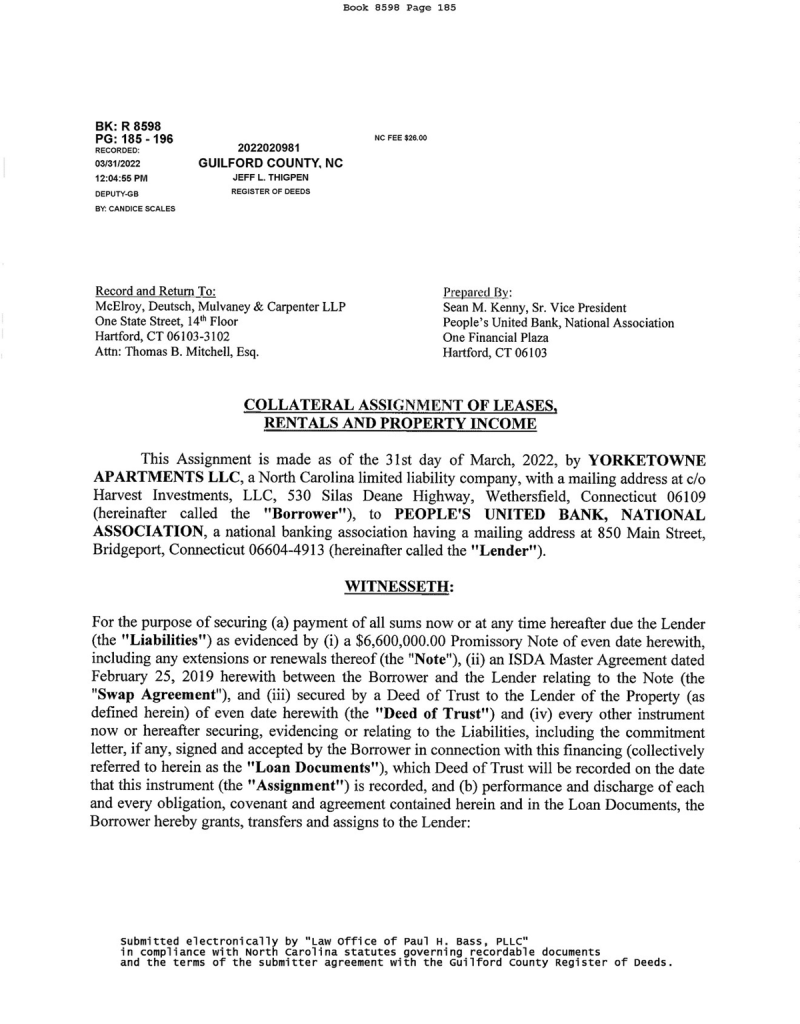
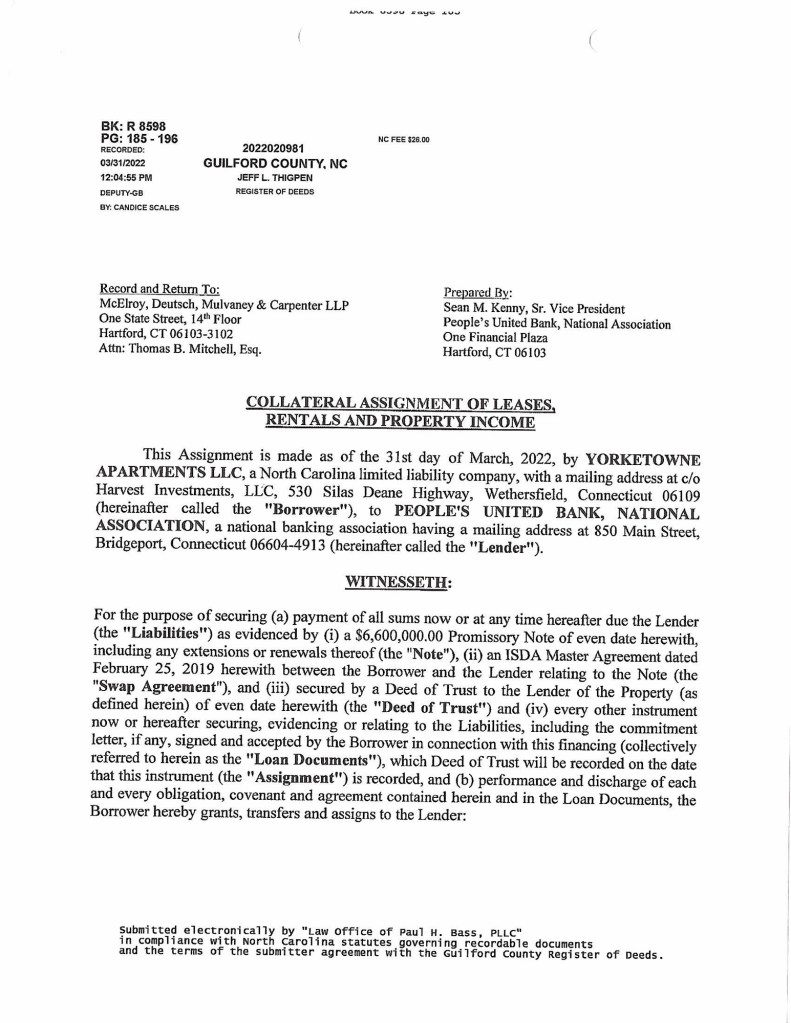
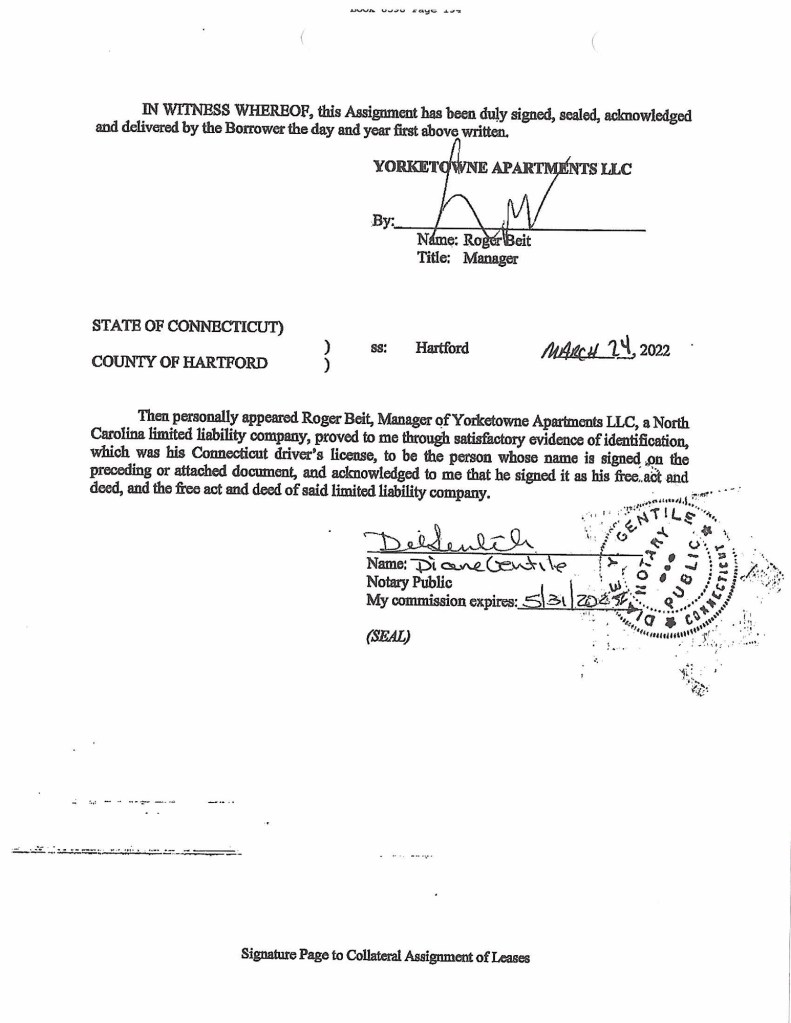
• March 31, 2022 → Assignment to People’s United Bank
• April 2, 2022 → People’s United acquired by M&T Bank
Two days.
That’s all it took for the financial control of the asset to shift into a larger banking system.
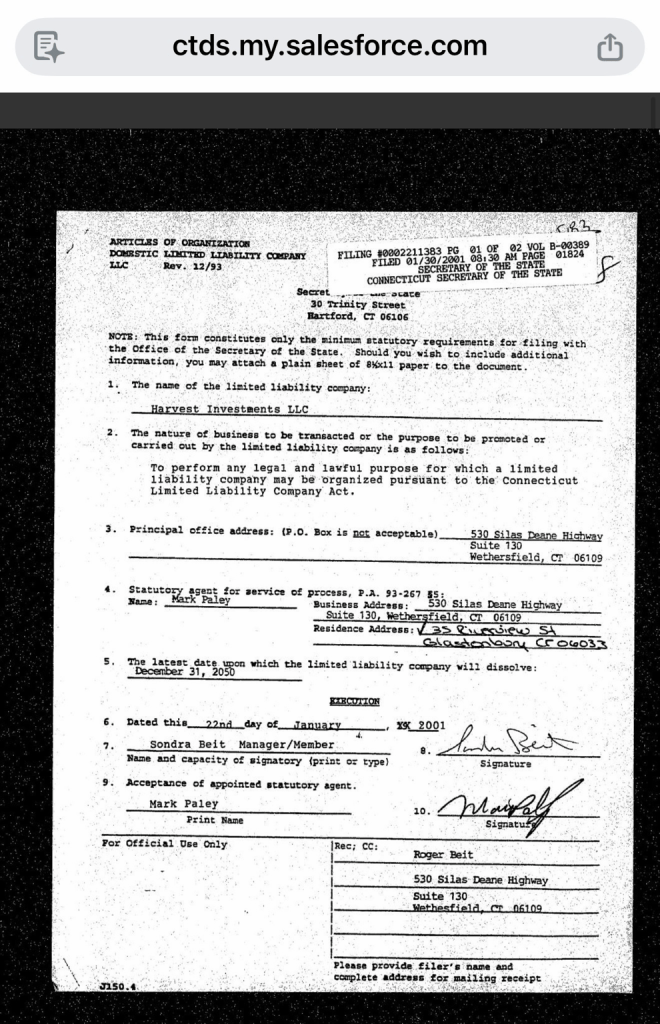
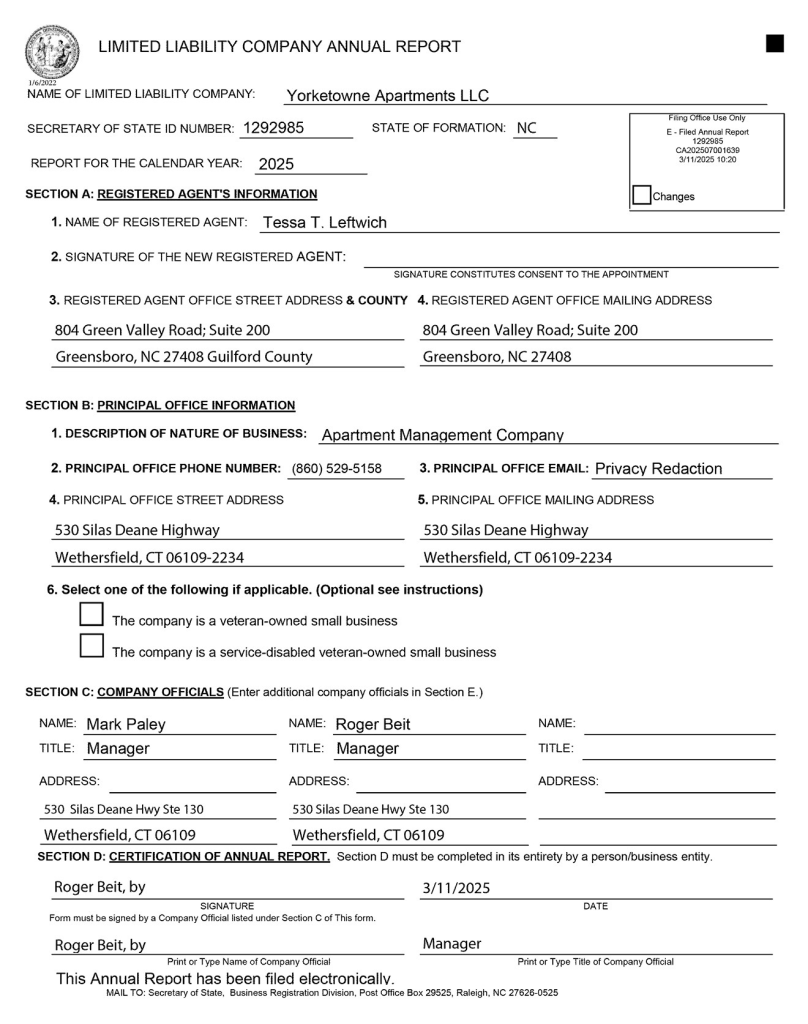
IV. SAME PEOPLE, SAME ADDRESS, DIFFERENT NAMES
Another layer deepens the mystery.
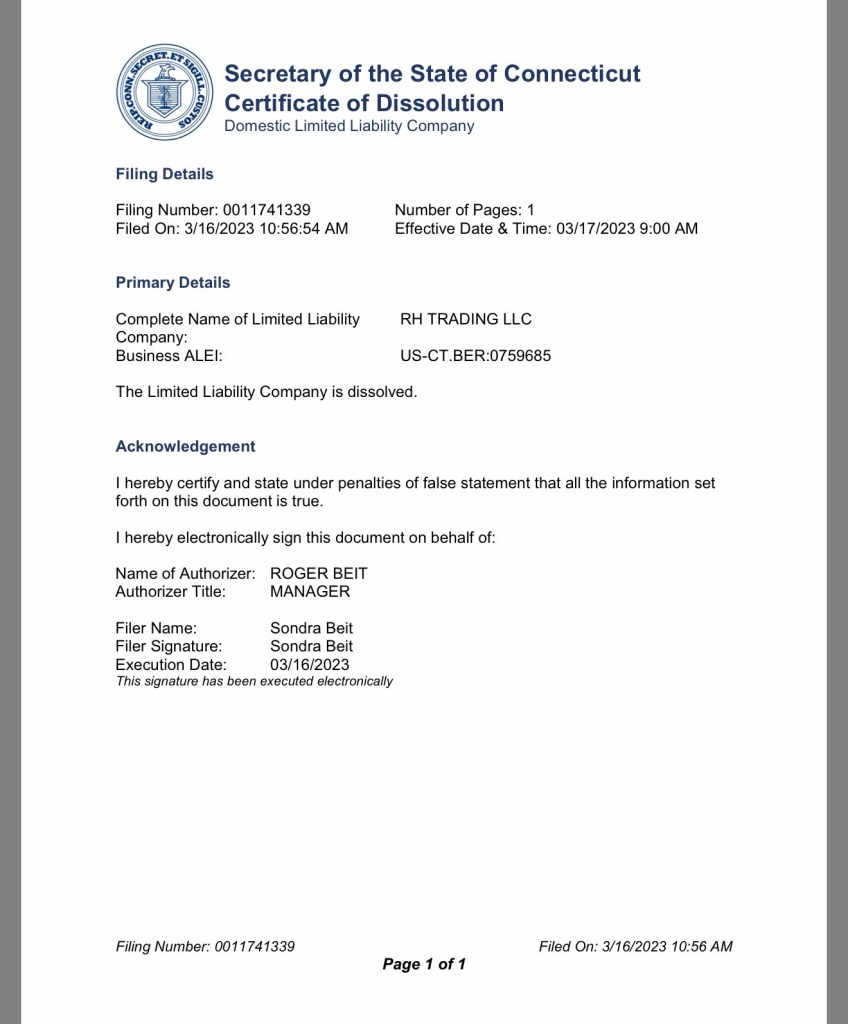
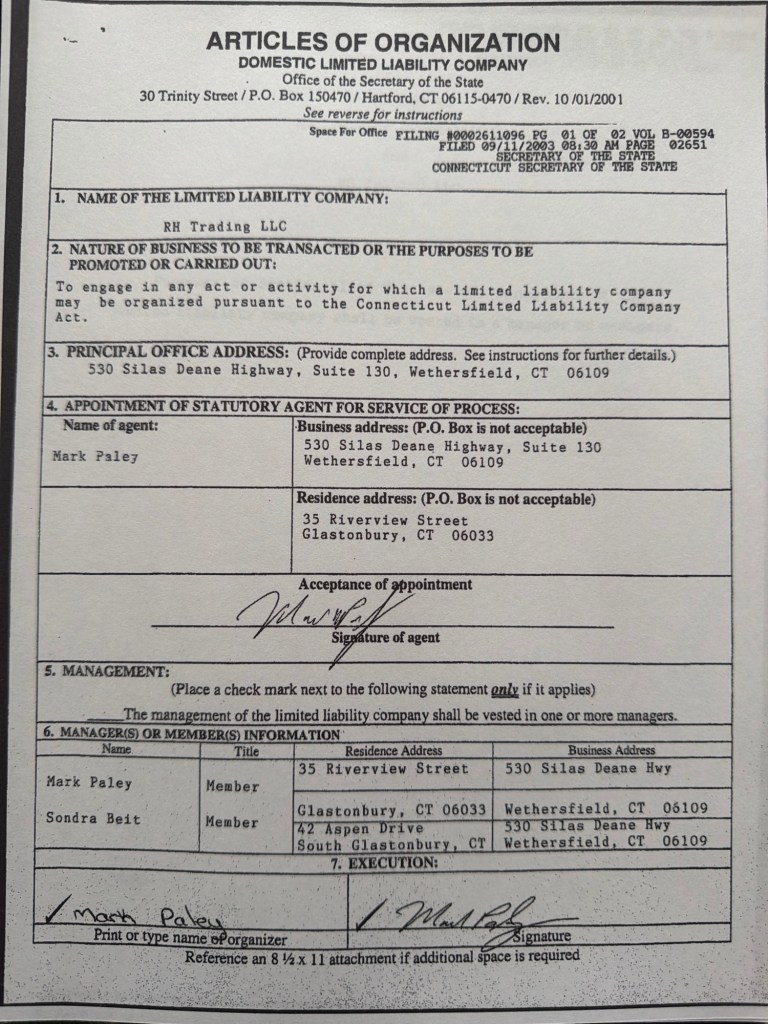
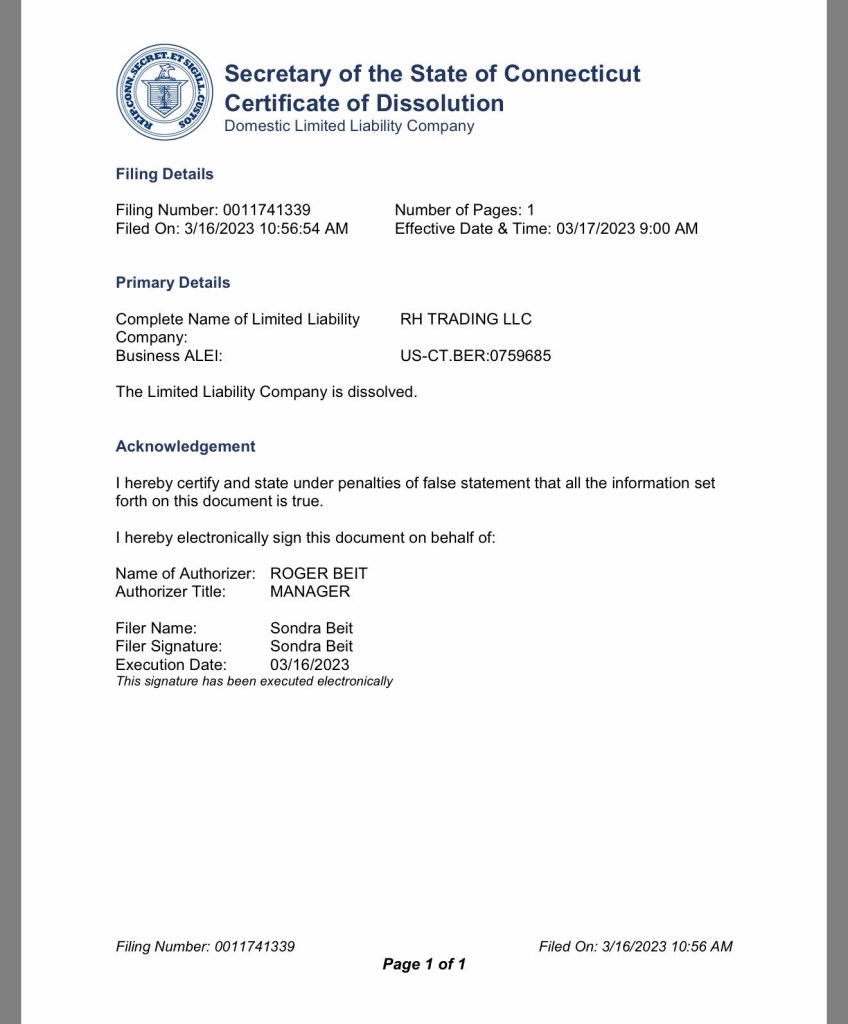
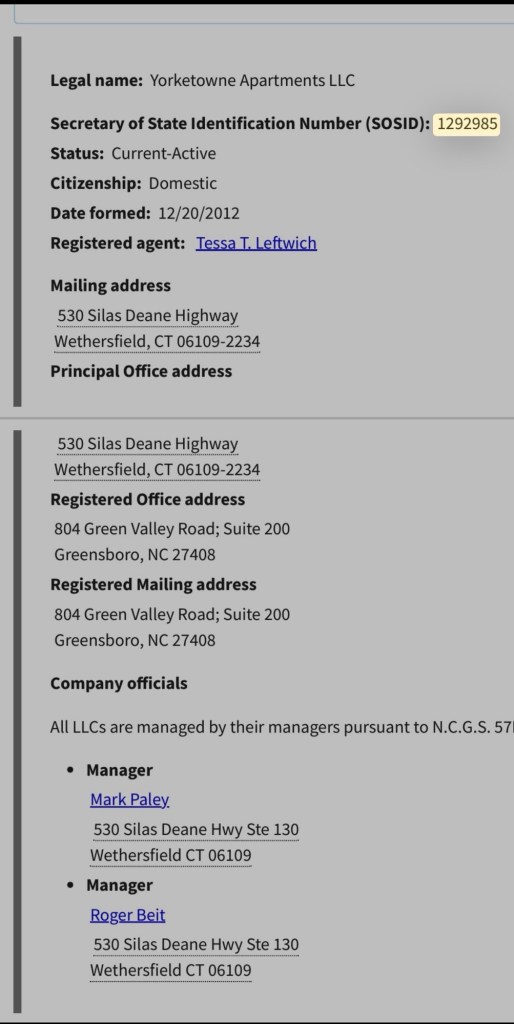
Corporate records show:
• The same Connecticut business address
• The same individuals—Roger Beit and Mark Paley
• Multiple interconnected entities
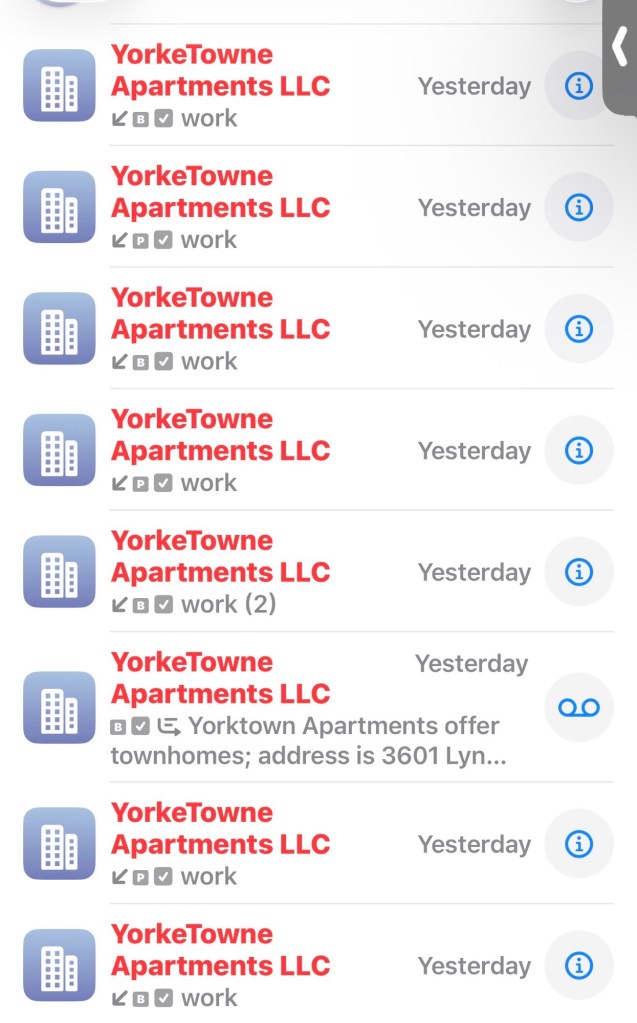
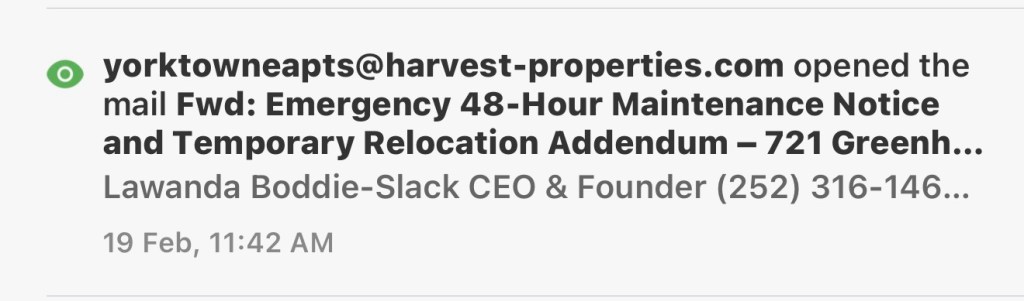
Meanwhile, tenants don’t deal with YorkeTowne at all.
They deal with:
👉 Harvest Properties
Which:
• Collects rent
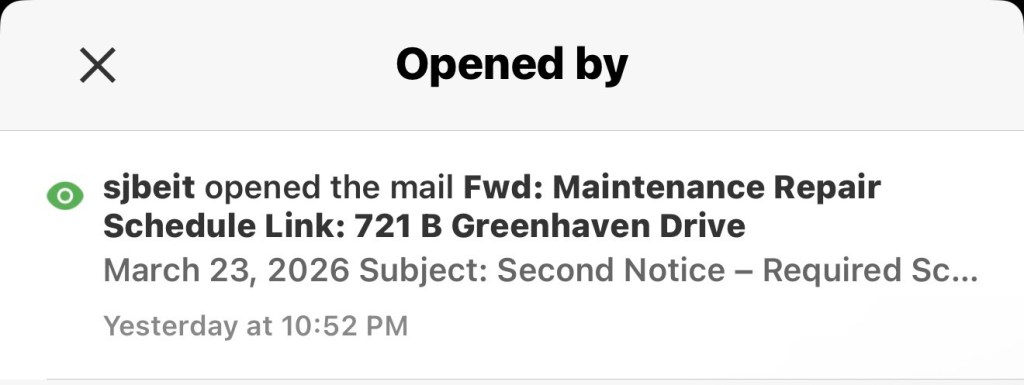
• Sends emails
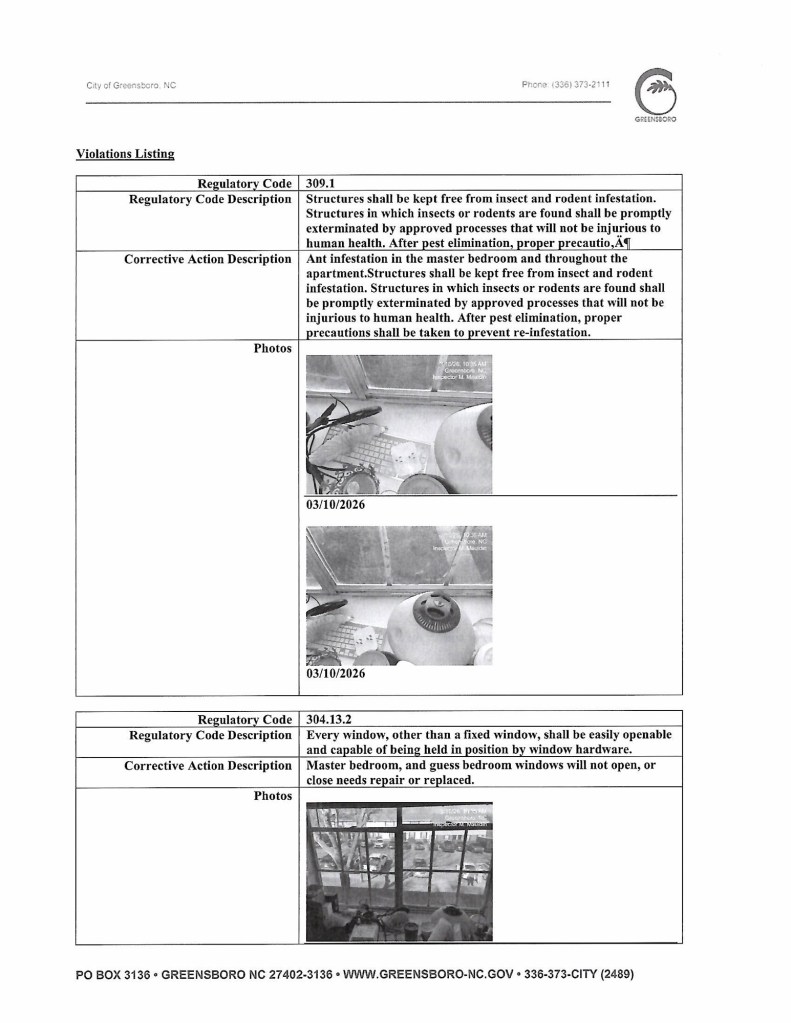
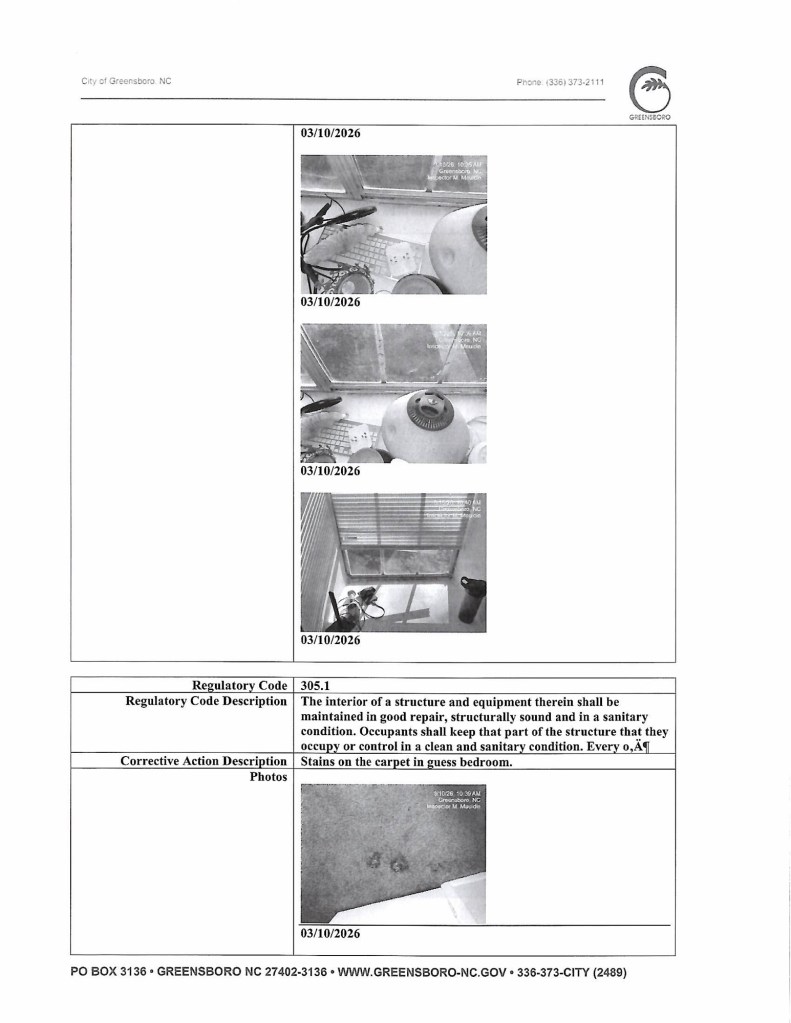
• Handles maintenance
• Operates the payment portal
• Controls the leasing office
So the question becomes unavoidable:
If Harvest runs everything… what exactly is YorkeTowne?
V. THE ALLEGATION: A “SHELL” IN PLAIN SIGHT
The legal memorandum pulls no punches.
It alleges that:
• YorkeTowne is a “conduit entity”
• It exists to hold title—not operate property
• It acts as a financial pass-through
• It is controlled by Harvest
In legal terms:
👉 A shell
👉 An instrumentality
👉 A front-facing name for a deeper enterprise
VI. THE LEGAL STRIKE: PIERCING THE VEIL
The filing invokes a powerful legal doctrine:
Piercing the Corporate Veil
Under North Carolina law, courts can disregard corporate structures when:
• One entity completely controls another
• That control is used improperly
• Harm results
The argument?
This is not separate companies.
This is one enterprise wearing multiple masks.
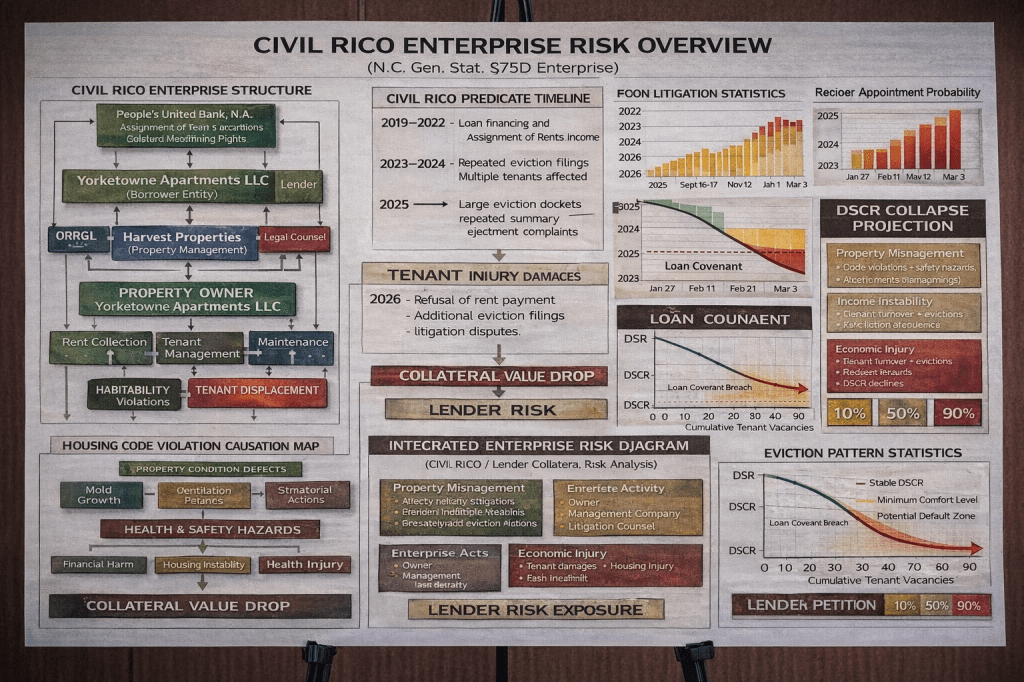
CMBS Investors (Pass-Through Certificates)
↑
Peoples One Bank CT [3/31/2022]
↑
M&T Bank acquired Peoples One Bank [4/2/2022]
↑
Loan / Assignment Rights
↑
YorkeTowne Apartments LLC
(Shell / Conduit Entity)
↑
CONTROLLED BY
↓
Harvest Investments LLC
(d/b/a Harvest Properties)
↓
Performs ALL landlord functions:
- Rent collection
- Leasing
- Maintenance
- Communication
- Eviction enforcement
- Property Management [Manages YorkeTowne Apartments LLC]
VII. THE HUMAN IMPACT
Behind the legal language lies a real-world consequence:
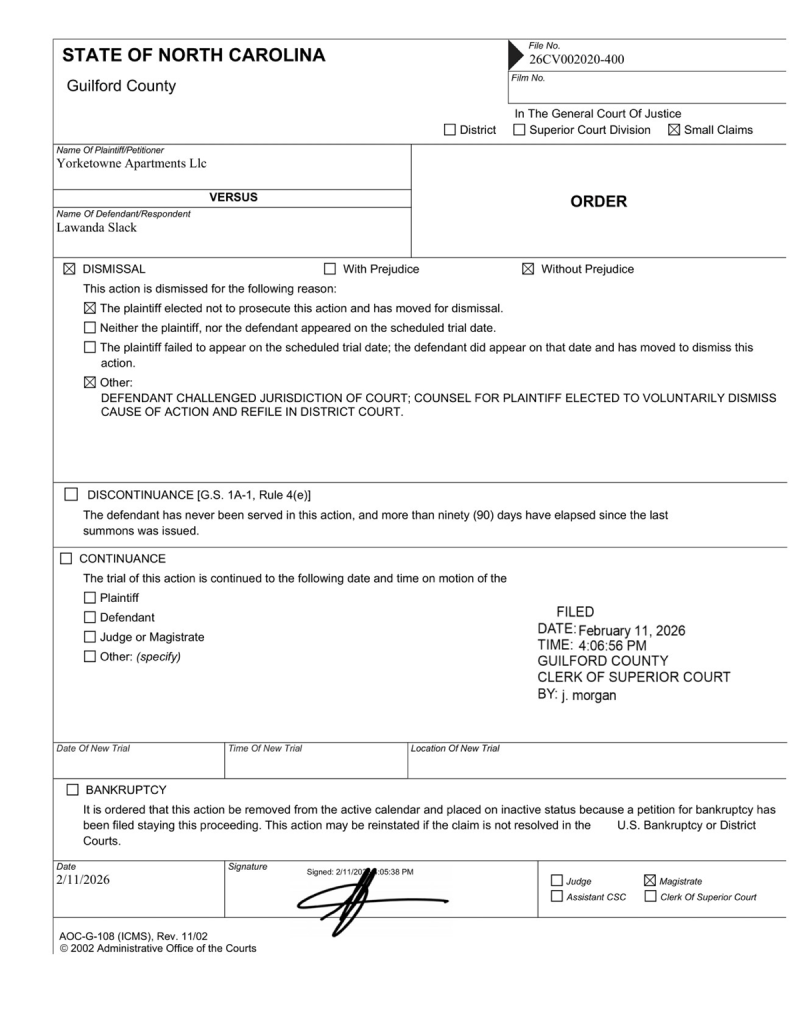
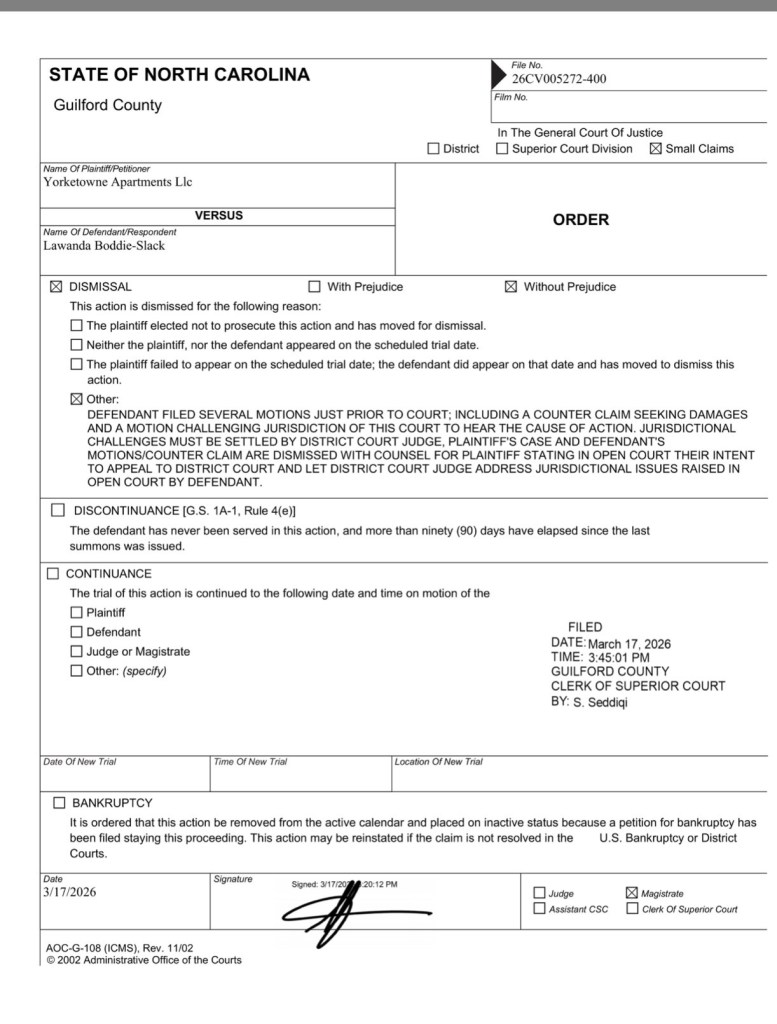
Tenants facing eviction
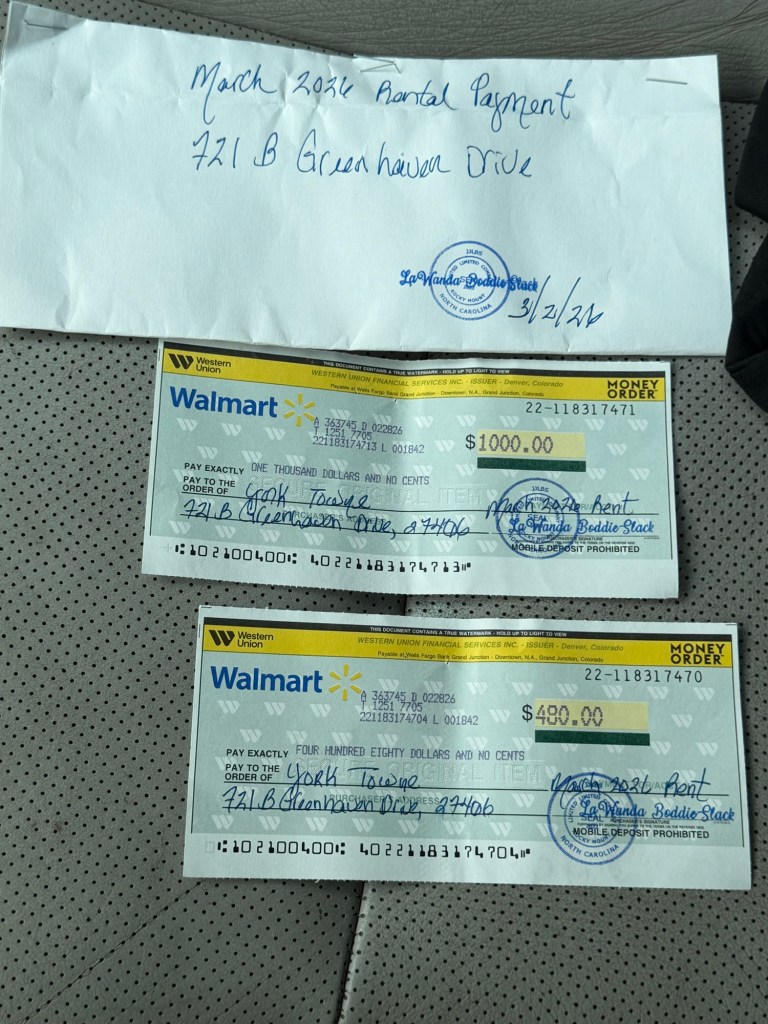
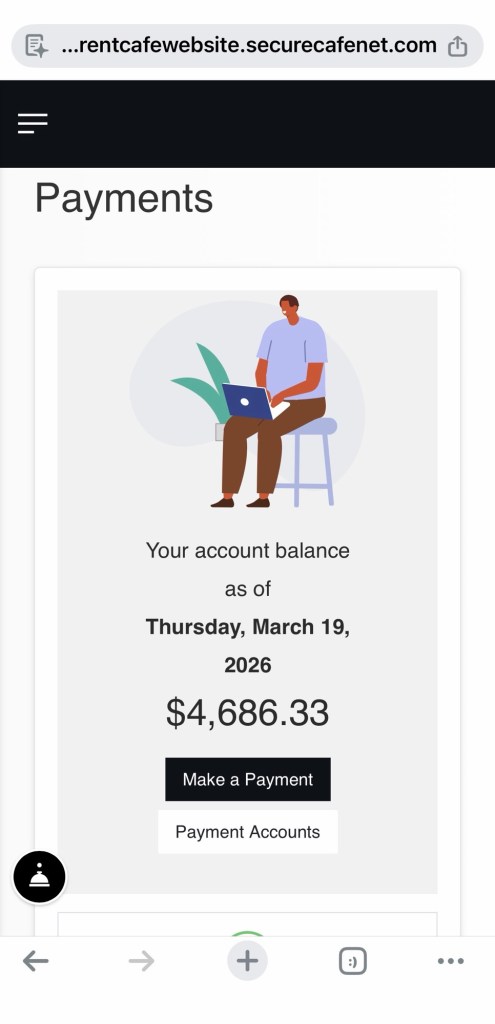
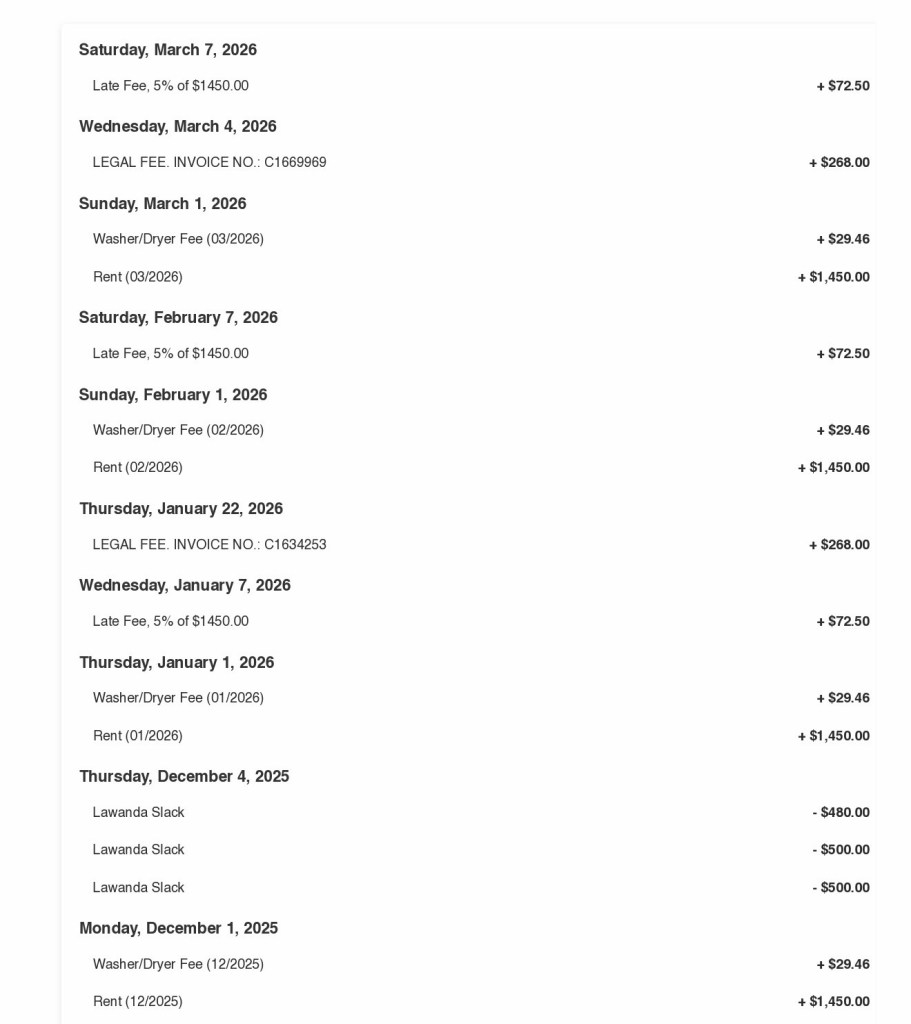
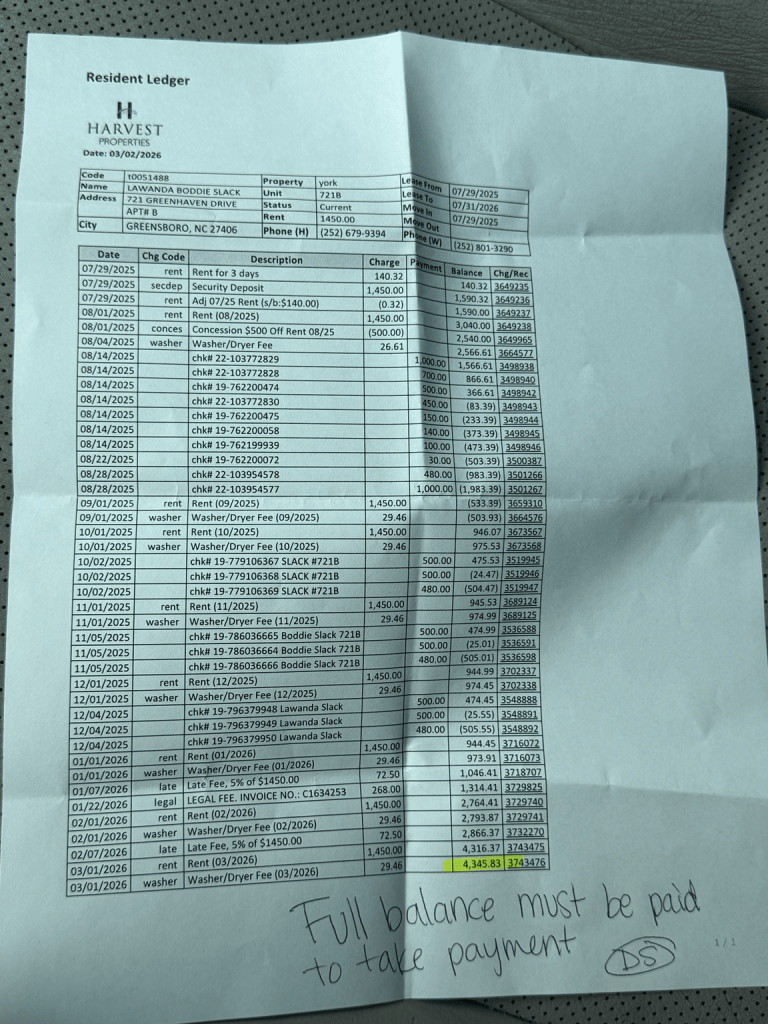
Rent being refused unless inflated balances are paid
Charges appearing from prior or disputed actions
And a system that, if proven, may prioritize financial flows over housing stability.
VIII. THE BIGGER QUESTION
This case raises a broader issue:
How many “landlords” are actually financial pipelines?
And if they are—
👉 Who should be accountable in court?
👉 Who actually has the right to collect rent?
👉 And who bears responsibility when things go wrong?
IX. WHAT HAPPENS NEXT
The court will now decide:
• Whether the entity named in the lawsuit has standing
• Whether the corporate structure can be challenged
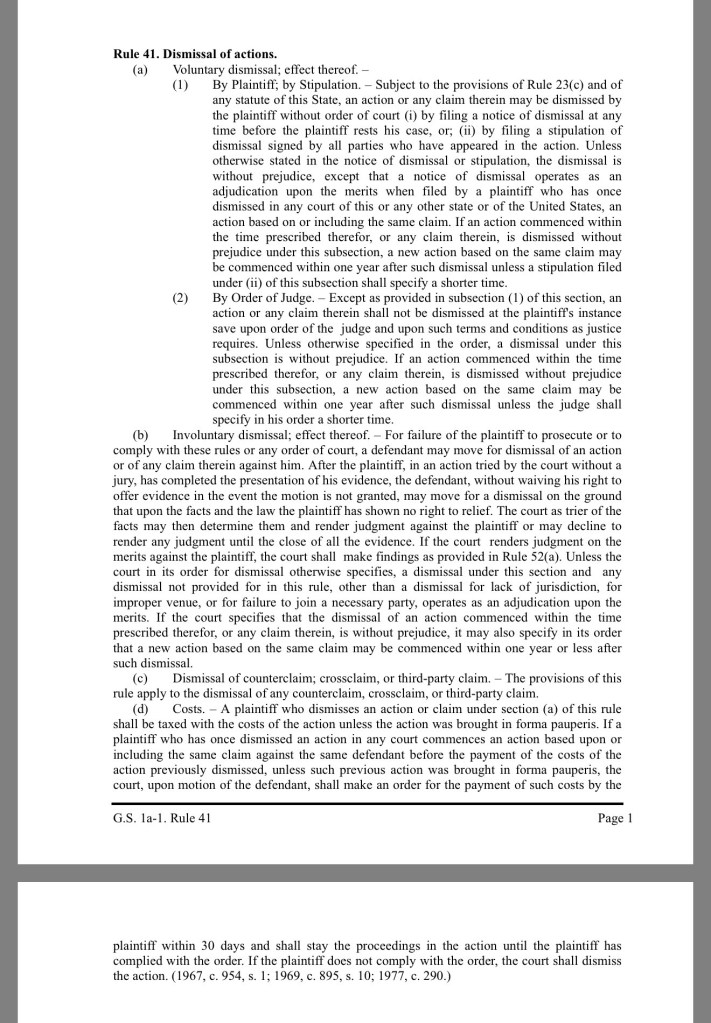
• Whether the case proceeds—or collapses
One thing is certain:
This is no ordinary eviction case.
LEGAL DISCLAIMER
This article is based on publicly available records and allegations contained in court filings. All claims described herein are allegations and have not been adjudicated by a court of law. The Greensboro Chronicle makes no determination of liability. All parties are presumed innocent unless and until proven otherwise in a court of competent jurisdiction.
COPYRIGHT NOTICE
© 2026 The Greensboro Chronicle. All Rights Reserved.
This publication is protected by copyright law. No portion of this article may be reproduced, distributed, or transmitted in any form or by any means without prior written permission, except for brief quotations used for news reporting, commentary, or academic purposes consistent with fair use.
THE GREENSBORO CHRONICLE
“Where the Paper Trail Tells the Truth”