The Human Toll of Discrimination
On a humid July morning in Greensboro, a disabled veteran, stepped outside to an empty driveway. Her car was gone. Again. “I knew right away it wasn’t stolen,” she said, her voice tight with exhaustion. “It was the tow truck. They always came for me.”
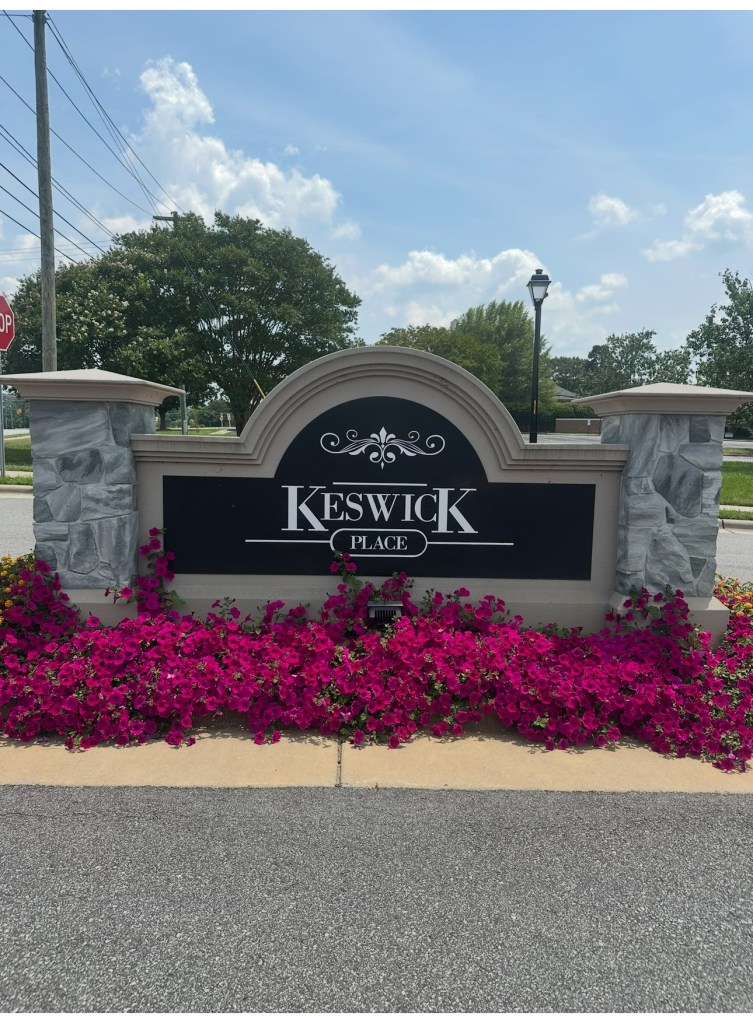
In the span of just thirty days, tow operators had beed dispatched to Keswick Place to tow her vehicle—or those of her visitors—more than a dozen times. The signs legally required to authorize towing weren’t posted, and in several cases, the person requesting the tow had no authority to do so. Yet, despite the paper trail she kept and the complaints she filed, the message was clear: she was being singled out. “It wasn’t about the rules,” she said. “It was about who I was—Black, a woman, disabled—and they wanted me gone.”
The consequences rippled through every corner of her life. Tow fees piled up. Missed shifts led to lost wages. Doctor’s appointments had to be canceled when she couldn’t find a ride. “I served my country,” she said quietly, “but here at home, I’m treated like I don’t belong in my own neighborhood.” The stress triggered migraines and sleepless nights, each new tow setting off a wave of anxiety. “Every time I heard that truck, my heart would race. I felt hunted.”
Her experience is not isolated. Across Greensboro, other residents have echoed similar accounts of selective enforcement, retaliation, and intimidation by those in positions of authority—whether landlords withholding deposits, HOAs enforcing rules unevenly, or management companies looking the other way. These stories reveal not just violations of policy, but a pattern of discrimination that carries a profound human cost: the steady erosion of dignity, safety, and trust in the place people call home.
 Greensboro Chronicle