January 30, 2026
John Lee Staff Writer
A Standalone Consumer Checklist for Protecting Your Household
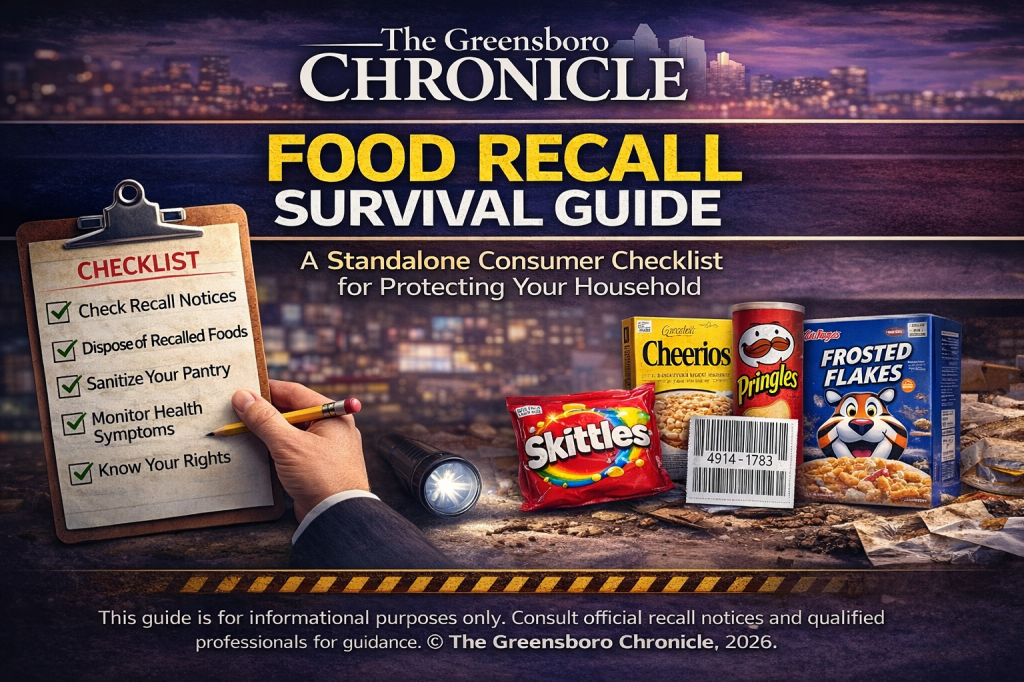
Public-interest consumer safety report
Food recalls linked to contamination—especially rodent waste—are not rare, isolated events. Public inspection records and recall databases show that sanitation violations routinely occur at manufacturing plants, warehouses, and distribution centers across the United States. When recalls happen, consumers are often left confused about what to do next.
This standalone checklist is designed to help readers act quickly, protect their families, and assert their rights when a food recall is announced.
✅ STEP 1: Confirm Whether You’re Affected
Do not rely on headlines alone. Always verify:
☐ Brand name
☐ Product name and size
☐ UPC or barcode number
☐ Lot, batch, or production code
☐ “Best by” or expiration date
☐ Facility or plant code (if listed)
Most recalls are overseen by the Food and Drug Administration (FDA). Meat, poultry, or egg products may instead fall under the USDA Food Safety and Inspection Service.
If any identifier matches—even partially—treat the product as recalled.
🚫 STEP 2: Do NOT Taste-Test the Product
☐ Do not smell, taste, cook, or “check” the food
☐ Do not feed it to pets or livestock
☐ Do not assume freezing or heating makes it safe
Rodent contamination can involve urine, droppings, or bacteria invisible to the eye. Food can appear normal and still be unsafe.
🗑️ STEP 3: Dispose of or Return the Product Safely
Follow the recall instructions exactly:
☐ Seal the item in a bag before discarding
☐ Place it in an outdoor trash bin if possible
☐ Or return it to the retailer for a refund/replacement
Many retailers honor recalls even without a receipt.
🧼 STEP 4: Sanitize Storage Areas
If recalled food was stored in your home:
☐ Remove nearby items
☐ Wash shelves, bins, and drawers with hot soapy water
☐ Disinfect surfaces that contacted the packaging
☐ Wash hands thoroughly afterward
Rodent contamination can transfer from packaging to surfaces.
🩺 STEP 5: Monitor Health Symptoms
Seek medical guidance if anyone experiences:
☐ Nausea, vomiting, or diarrhea
☐ Fever or chills
☐ Abdominal pain
☐ Flu-like symptoms after consumption
Inform healthcare providers of possible food contamination exposure.
📣 STEP 6: Know Your Rights as a Consumer
You have the right to:
☑ Refunds or replacements for recalled products
☑ Accurate recall information from manufacturers and retailers
☑ Report illness or contamination concerns to regulators
☑ Pursue legal remedies if harm occurred
Consumer reports help identify repeat violators and trigger enforcement.
📍 STEP 7: Report Concerns — Especially in North Carolina
In North Carolina, food safety oversight is shared with the North Carolina Department of Agriculture and Consumer Services (NCDA&CS).
☐ File a complaint if you suspect contamination
☐ Report unsanitary retail or warehouse conditions
☐ Document product details and symptoms if applicable
North Carolina is a major distribution corridor—local reports can prevent regional or national outbreaks.
⚠️ WHY THIS CHECKLIST MATTERS
Public inspection data consistently show that rodent activity is among the most frequently cited violations in food storage and distribution facilities. Enforcement often begins with warnings and corrective timelines, not immediate shutdowns—meaning contaminated products can reach consumers before recalls are issued.
Until oversight becomes faster and more preventative, consumer awareness remains the final safeguard.
Bottom Line
✔ Read recall notices carefully
✔ Act quickly and cautiously
✔ Don’t second-guess disposal instructions
✔ Report problems early
✔ Protect your household—not the brand reputation
Food safety is not a marketing promise. It is a public responsibility.
Legal Disclaimer
This article is provided for informational and educational purposes only and does not constitute medical, legal, or regulatory advice. The Greensboro Chronicle relies on publicly available inspection records, recall notices, and regulatory disclosures available at the time of publication. Recall classifications, findings, and enforcement actions may change. Readers should consult official recall announcements, healthcare providers, and qualified professionals for guidance specific to their individual circumstances.
Copyright Notice
© The Greensboro Chronicle, 2026. All rights reserved.
This article may not be reproduced, distributed, republished, or transmitted in whole or in part without the prior written permission of The Greensboro Chronicle, except for brief quotations used for news reporting, commentary, or educational purposes with proper attribution.
 Greensboro Chronicle
Leave a comment