An in-depth, boldly cautionary public-interest report
A Recall That Reached the American Pantry
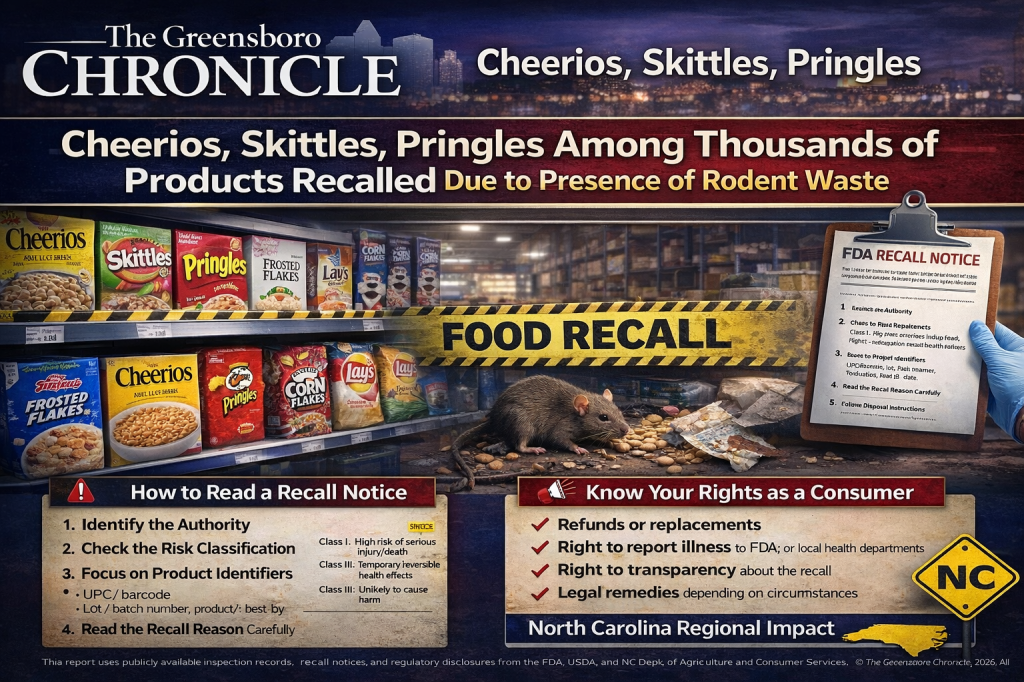
Cereal in the morning. Chips after school. Candy grabbed at checkout. These are the everyday foods many families trust without hesitation. That trust was shaken after thousands of food products, including items associated with familiar brands such as Cheerios, Skittles, and Pringles, were pulled into recall actions tied to rodent contamination at food manufacturing or distribution facilities.
While the brand names dominate headlines, the deeper concern is systemic: inspection records and recall notices show rodent activity persisted in food-handling environments, in some cases after regulators had already flagged sanitation failures. By the time recalls were issued, affected products had already entered homes across the country.
What Inspectors Found — and Why It Triggered Recalls
Publicly available inspection reports and regulatory disclosures document conditions that meet the federal definition of food adulteration. Findings included:
Rodent droppings near and on food-contact surfaces Urine residue along walls, pallets, and storage areas Gnaw marks on food packaging Nesting material found close to ingredients and finished goods Repeated rodent activity despite prior warnings
Rodent contamination is not a minor violation. Even trace exposure can introduce dangerous pathogens into food or onto packaging, especially in facilities handling high-volume, shelf-stable products.
The Health Risks Behind Rodent Waste Contamination
Rodents are known carriers of bacteria and viruses capable of causing serious illness, including Salmonella, E. coli, Leptospira, and Hantavirus. Contamination may be invisible to consumers, meaning food can appear normal while still posing a health risk.
Children, older adults, pregnant individuals, and those with weakened immune systems face heightened risk. Because symptoms may appear days later, illnesses are not always immediately traced back to a recalled product.
How Contaminated Products End Up on Store Shelves
Food safety oversight in the United States is primarily enforced by the Food and Drug Administration (FDA), which conducts inspections on a periodic basis—not continuous monitoring.
A recurring pattern appears in rodent-related recalls:
Inspectors identify rodent activity Facilities receive citations or warning letters Companies are given time to implement corrective measures Production or distribution continues Recalls are issued only after contamination risk cannot be ruled out
This enforcement gap allows potentially contaminated products to circulate before consumers are notified.
Why Major Brands Are Still Affected
Well-known brands do not always manufacture or store their products directly. Many rely on:
Third-party manufacturers Contract packaging facilities Regional warehouses and logistics hubs
As a result, products associated with companies such as General Mills, Mars Incorporated, and Kellogg’s may be recalled when any link in the supply chain fails to meet sanitation standards.
When contamination is possible, companies often recall all products that passed through the affected facility, leading to thousands of items listed in a single recall action.
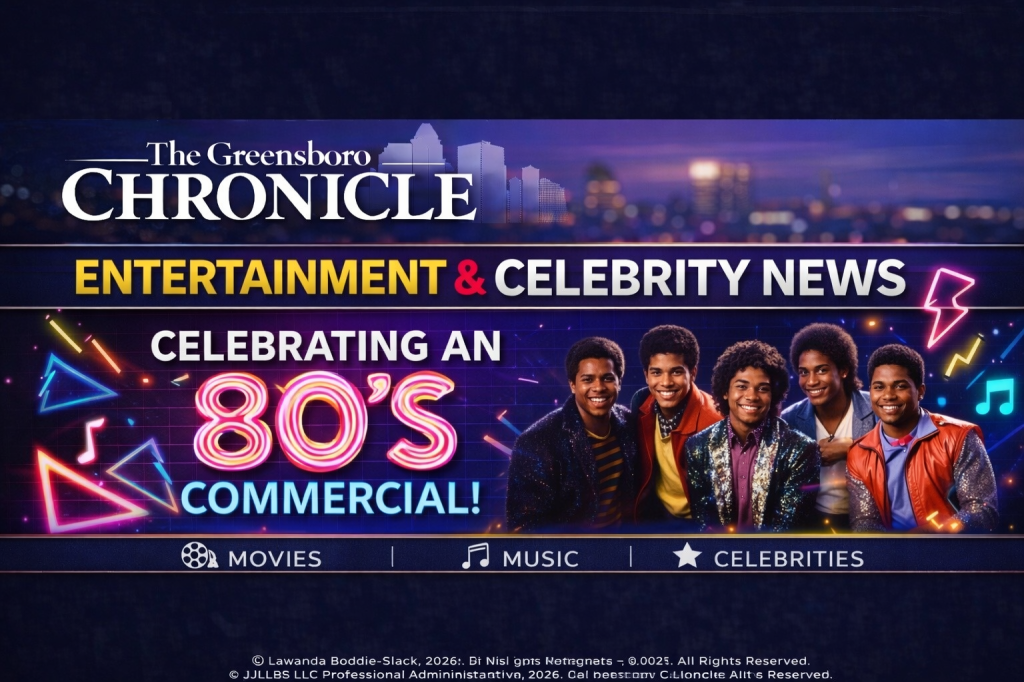
🧾 How to Read a Recall Notice (What Actually Matters)
Recall notices are technical by design. Here’s how consumers can quickly identify whether action is required.
1. Identify the Authority
Most food recalls are overseen by the Food and Drug Administration. Meat, poultry, and egg products may instead fall under the USDA Food Safety and Inspection Service.
2. Check the Risk Classification
Class I – High risk of serious injury or death Class II – Temporary or reversible health effects Class III – Unlikely to cause harm
Rodent waste contamination is frequently classified as Class II, but can escalate depending on pathogen risk.
3. Focus on Product Identifiers
Ignore headlines and check:
UPC or barcode Lot or batch number Production or “best by” date Facility or plant code
4. Read the Recall Reason Carefully
Language such as “potential contamination” or “cannot rule out exposure” signals that safety cannot be guaranteed.
5. Follow Disposal Instructions
Do not taste, wash, or cook recalled food. Discard or return it as instructed.
📣 KNOW YOUR RIGHTS AS A CONSUMER
If you purchased recalled food, you have protections.
Refunds or replacements: Most retailers and manufacturers must honor recalls even without a receipt. Right to report illness: Consumers can file reports with the Food and Drug Administration or local health departments. Right to transparency: You are entitled to know why a product was recalled and which facility was involved. Legal remedies: If contamination caused illness, medical costs, or lost wages, affected consumers may have grounds for civil claims depending on circumstances.
Consumer reporting plays a critical role in identifying repeat violators and triggering enforcement.
Legal Disclaimer
This article is provided for informational and educational purposes only and does not constitute medical, legal, or regulatory advice. The Greensboro Chronicle relies on publicly available inspection reports, recall notices, and regulatory disclosures available at the time of publication. Recall status, findings, and enforcement actions may change. Readers should consult official recall announcements, healthcare providers, and qualified professionals for guidance specific to their situation.
Copyright Notice
© The Greensboro Chronicle. All rights reserved.
This article may not be reproduced, distributed, republished, or transmitted in whole or in part without the prior written permission of The Greensboro Chronicle, except for brief quotations used for news reporting, commentary, or educational purposes with proper attribution.
 Greensboro Chronicle
Leave a comment