January 15, 2025
Lorene Hardy-staff writer
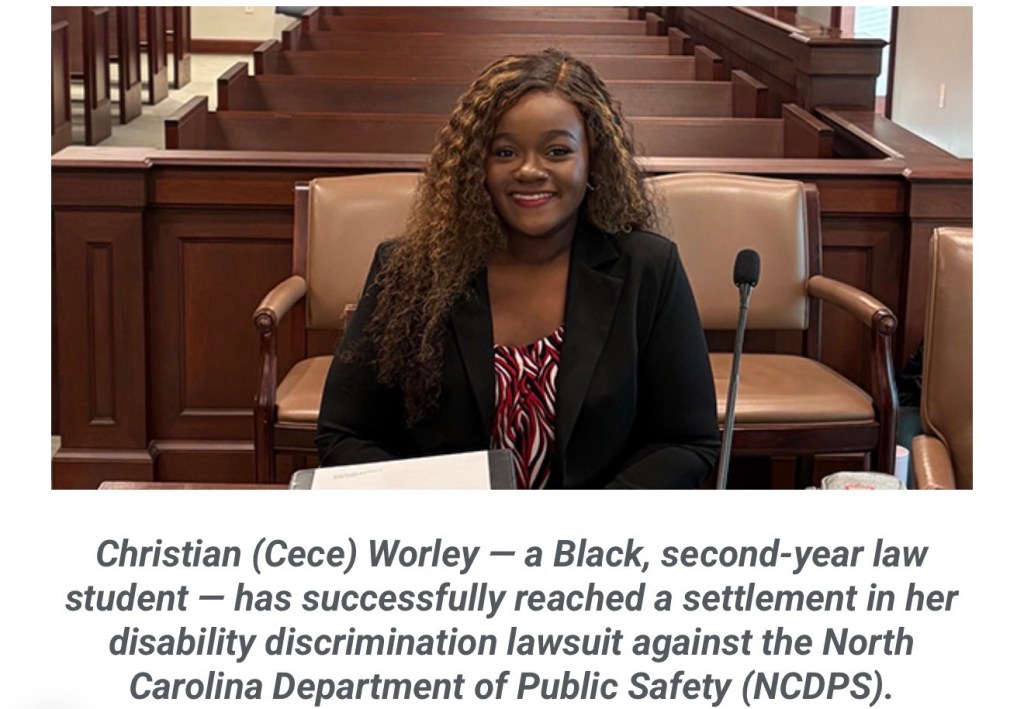
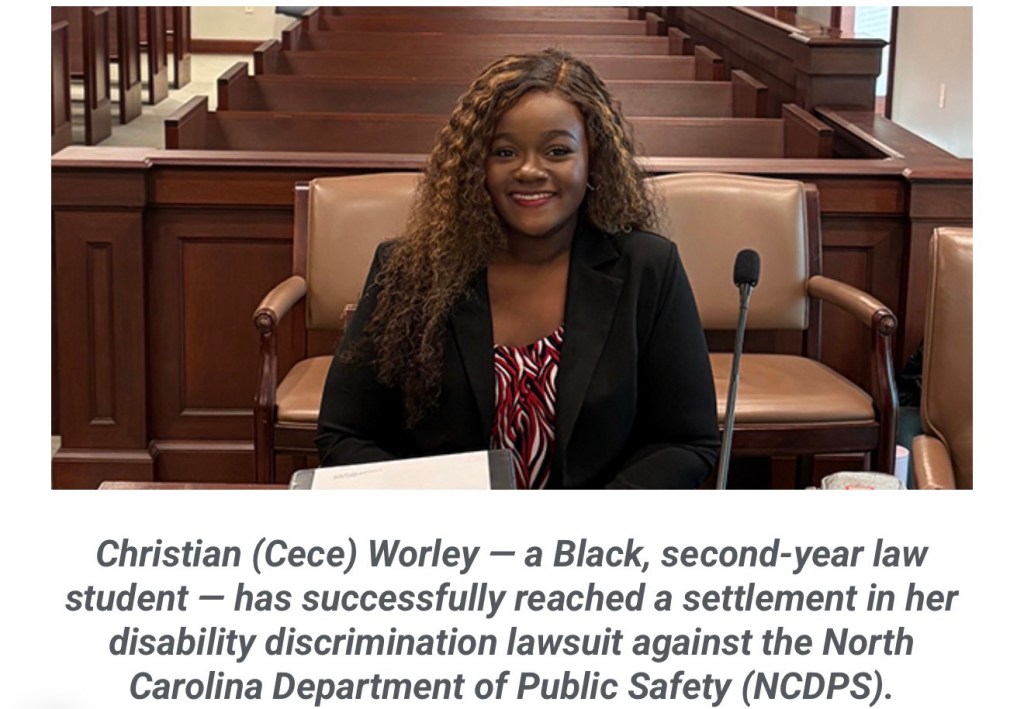
Below is an in-depth, plain-language explanation and analysis of the case, written to be accessible to non-lawyers while still conveying why this litigation matters legally, procedurally, and historically—especially because every major victory was achieved pro se.
1. What This Case Is Really About (In Plain Language)
At its core, this case is about whether a woman with a serious, chronic reproductive condition has the right to ask for a modest workplace adjustment—and whether an employer can legally dismiss that request by treating women’s pain as inconvenient or interchangeable.
Christian “Cece” Worley was not asking for a permanent change, special privileges, or reduced job standards. She asked for telework on one single day per month—the first day of her menstrual cycle—because her endometriosis caused severe symptoms that interfered with basic functioning. Endometriosis is a medically recognized, chronic condition that can cause debilitating pain, fatigue, gastrointestinal distress, and neurological symptoms.
What followed was not a neutral employment decision. According to the record, it was a categorical refusal, paired with gender-based assumptions (“I’d have to do this for every woman”), threats of termination, discouragement from using accrued leave, and an ultimatum that effectively forced her resignation.
This case asks a simple but powerful question:
If an employer refuses even to consider an accommodation for a serious medical condition—and instead pressures an employee to quit—does that violate the ADA?
For the first time in North Carolina, and likely the first time nationally at this stage of litigation, the federal courts answered: a jury could reasonably say yes.
2. Why This Case Is Extraordinary: She Did It Pro Se
One of the most important facts cannot be overstated:
Cece Worley did this without a lawyer.
She filed her case pro se—meaning she represented herself—after multiple attorneys declined representation, telling her that the law around endometriosis and the ADA was “too underdeveloped” or “too uncertain.”
That matters because:
Less than 3% of pro se civil cases survive summary judgment Government defendants, especially state agencies, are among the hardest defendants to defeat ADA cases are legally complex, fact-intensive, and procedurally unforgiving
Despite all of that, Worley not only survived—she won repeatedly at every procedural stage that normally ends pro se cases early.
3. Procedural Victories That Most Plaintiffs Never Reach
A. Surviving a Motion to Dismiss
Early in the case, NCDPS tried to end the lawsuit before evidence was even exchanged. Worley defeated that effort, meaning the court found her allegations legally sufficient on their face.
Why this matters:
Many civil rights cases die here. Courts often dismiss ADA claims before discovery if they think the disability or accommodation theory is weak. This court did not.
B. Winning Discovery Battles Against a State Agency
Discovery is where pro se litigants are most often overwhelmed. Worley:
Preserved her claims through contested discovery disputes Navigated procedural rules without counsel Took and defended depositions Elicited admissions from agency witnesses
Why this matters:
Discovery is not about storytelling—it is about rules, deadlines, objections, and strategy. The fact that a self-represented plaintiff not only survived but used discovery effectively is rare.

C. Defeating a Late-Stage Attempt to Depose Her
Perhaps one of the most telling moments in the case was procedural rather than substantive.
NCDPS waited nearly eight months into the discovery period before attempting to depose Worley, then asked the court to extend discovery after it had already closed.
Worley opposed the motion—arguing that the delay was unjustified and strategic. The court agreed.
The judge:
Found the request dilatory Refused to reward NCDPS for its own delay Denied the extension
Why this matters:
Courts rarely side with pro se plaintiffs on procedural timing disputes against government defendants. This ruling signaled that the court was scrutinizing the agency’s litigation conduct—and taking Worley seriously as a litigant.
D. Surviving Summary Judgment — The Rarest Victory of All
Summary judgment is where most cases die, especially ADA cases and especially pro se cases.
On July 18, 2025, Magistrate Judge Robert T. Numbers II ruled that:
Endometriosis can qualify as a disability under the ADA Worley’s symptoms were severe enough to meet that standard Her request to telework one day per month could be found reasonable A jury could conclude NCDPS unlawfully denied accommodation

District Judge Terrence Boyle later adopted the ruling in full.
Why this matters:
This ruling did not merely allow the case to continue—it created a legal foothold where none clearly existed before in North Carolina, and possibly anywhere in the country at this procedural stage.
4. Why the Endometriosis Ruling Is So Important
Before this case, employers often dismissed endometriosis-based accommodation requests by arguing:
The condition is “temporary” or “cyclical” Symptoms are “subjective” Menstrual-related impairments are not serious enough Accommodations would open the floodgates for all women
The court rejected that logic.
It recognized that:
A condition does not have to be constant to be disabling Chronic, recurring impairments can substantially limit major life activities Gendered disabilities are not exempt from ADA protection
This shifts the legal landscape. Employers can no longer safely assume that reproductive or menstrual disorders fall outside ADA coverage.
5. Constructive Discharge: When “You Can Quit” Means “You Must”
The facts also support a constructive discharge theory—meaning Worley did not leave voluntarily in any meaningful sense.
According to the record, she was told:
There would “absolutely not” be accommodations She would not be retained at the end of training Mentioning accommodations again could lead to immediate termination
Her resignation date coincided precisely with the onset of her next menstrual cycle—the very condition she had sought to manage.
In plain terms:
She was forced to choose between her health and her job. The law does not allow employers to manufacture that choice.
6. Why This Case Matters Beyond One Person
A. For Women and Reproductive Health
Hundreds of women have come forward with similar stories—termination, threats, retaliation, or dismissal after disclosing menstrual or reproductive health conditions.
This case validates what many have experienced privately:
Workplaces have systematically minimized, mocked, or punished women for gendered disabilities.
B. For Black Women in Particular
Black women face:
Lower diagnosis rates for endometriosis Longer delays in treatment Greater dismissal of pain Compounded race- and gender-based bias
That Worley—a Black woman—forced legal recognition of this condition makes the case especially significant.
C. For Access to Justice
This case exposes a structural problem:
Lawyers declined representation The law was deemed “too risky” Yet the claims were legally sound
If Worley had accepted that advice, this precedent would not exist.
Her success demonstrates that access to justice is often limited not by merit, but by gatekeeping—and that pro se litigants, when given fair consideration, can change the law.
7. The Settlement and Its Systemic Impact
The December 19, 2025 settlement included:
Favorable monetary terms A commitment by NCDPS to implement department-wide ADA training
That training obligation is critical. It means this case did not just compensate harm—it reduced the likelihood of future harm to others.
8. Why This Case Will Be Remembered
This case stands at the intersection of:
Disability rights Gender justice Racial equity Access to courts
It shows how legal change often begins:
With one person Acting without institutional backing Refusing to accept that the law is “not ready” for their reality
Cece Worley did not just survive the system.
She forced it to listen.
And by doing so—pro se—she turned an individual act of resistance into a blueprint for systemic change.
 Greensboro Chronicle
Leave a comment